







What's Happening?
Texas Game Wardens issued approximately 160 citations and warnings to three individuals involved in illegal fishing activities at the Texas City Dike. The bust occurred after a concerned citizen reported suspicious fishing activity during the early morning
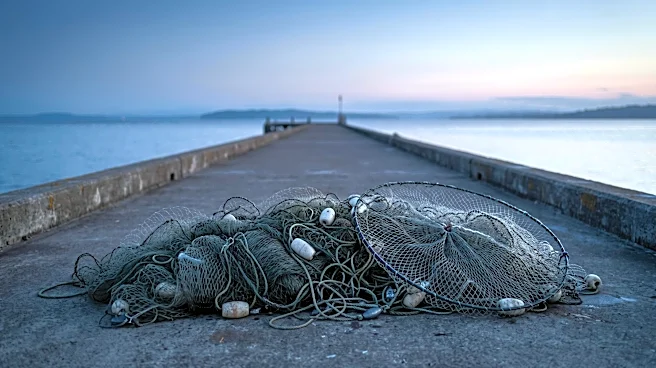
hours. Game wardens conducted surveillance from a concealed position, observing the three individuals actively deploying and tending multiple nets and repeatedly filling a cooler with aquatic resources. Upon making contact, wardens discovered the group possessed four illegal gill nets totaling over 700 feet in length and an oversized cast net. Gill nets are prohibited in Texas public waters due to their indiscriminate killing of marine life. Cast nets are only legal for taking nongame fish for bait purposes and must not exceed 14 feet in diameter. The individuals had illegally taken 137 saltwater fish of various species, three stone crabs, and one sponge crab. Additionally, two of the three individuals did not possess valid fishing licenses. The illegal nets and aquatic resources were seized.
Why It's Important?
This significant bust by Texas Game Wardens highlights the ongoing efforts to combat illegal fishing practices that threaten marine ecosystems and sustainable fishing in U.S. waters. The use of illegal gill nets, as demonstrated in this incident, is particularly damaging because these nets indiscriminately capture and kill marine life, including non-target species, leading to severe ecological imbalances and depletion of fish stocks. The seizure of 137 illegally caught fish and several crabs underscores the scale of the environmental impact that such activities can have. Furthermore, the lack of valid fishing licenses among two of the individuals points to a disregard for regulations designed to manage and conserve natural resources. This enforcement action serves as a deterrent to others who might engage in similar illegal activities, emphasizing the importance of adhering to fishing laws to protect biodiversity and ensure the long-term health of Texas's coastal waters for both recreational and commercial purposes. It also reinforces the critical role of public vigilance in reporting suspicious activities to environmental authorities.
What's Next?
The three individuals involved in the illegal fishing bust will face the consequences of approximately 160 citations and warnings issued by Texas Game Wardens. These citations will likely result in fines and potentially other penalties, depending on the severity and nature of each violation. The seized gill nets, oversized cast net, and illegally caught aquatic resources will be processed as evidence and disposed of according to legal protocols. This incident may lead to increased surveillance and enforcement efforts by Texas Game Wardens in areas known for illegal fishing, particularly at the Texas City Dike and other vulnerable coastal locations. The case also serves as a reminder to the public about the importance of understanding and complying with fishing regulations, including licensing requirements and permissible gear, to avoid legal repercussions and contribute to marine conservation. Educational campaigns might be reinforced to inform anglers about sustainable fishing practices and the ecological damage caused by illegal methods.
Beyond the Headlines
This incident goes beyond a simple law enforcement action, touching upon broader themes of environmental conservation, resource management, and the ethical responsibilities of individuals towards natural ecosystems. The use of gill nets, specifically highlighted as illegal due to their indiscriminate nature, brings to the forefront the destructive potential of certain fishing methods on marine biodiversity. It underscores the delicate balance required to sustain fish populations and the broader marine food web. The fact that a concerned citizen initiated the report emphasizes the crucial role of community involvement in protecting natural resources and acting as stewards of the environment. This bust could also spark discussions about the economic motivations behind illegal fishing, whether for personal consumption or illicit commercial gain, and the need for robust enforcement to counteract such pressures. Ultimately, it serves as a stark reminder that human activities, when unregulated, can have profound and lasting negative impacts on the health and sustainability of aquatic environments.