




What's Happening?
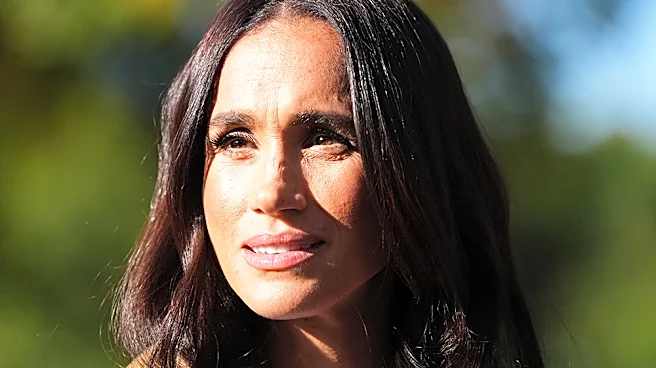
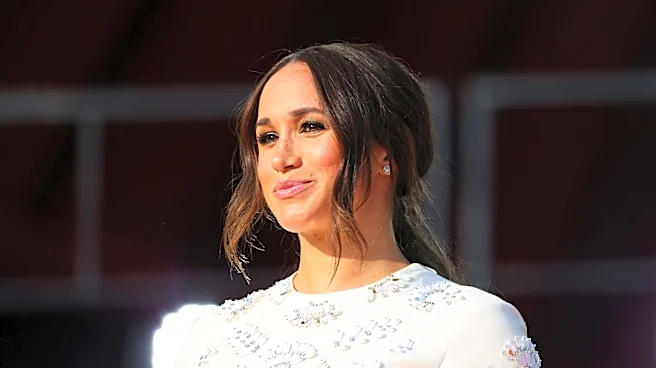
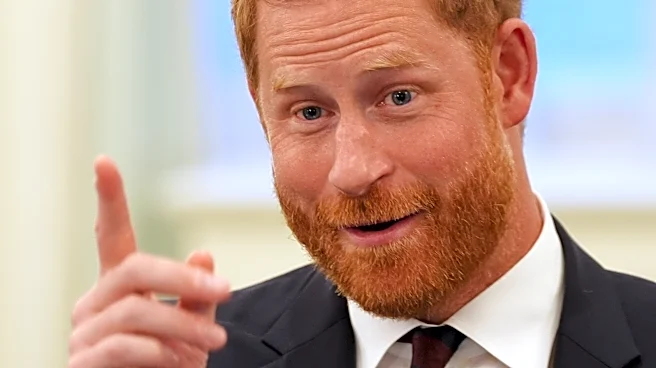
Meghan Markle, the Duchess of Sussex, is reportedly facing a difficult return to the United Kingdom, six and a half years after she and Prince Harry moved away. While Prince Harry has maintained ties to his home country through charitable work and family
visits, Meghan's return is complicated by low public approval ratings and persistent scrutiny from the British tabloid press. A YouGov poll from late July indicates that 65% of Britons hold a negative view of the Duchess. Meghan has previously spoken about her struggles to feel accepted within the royal family and, alongside Prince Harry, made public accusations of racism against the British monarchy in a March 2021 interview with Oprah Winfrey. The couple has also pursued legal action against the British tabloid press, with Prince Harry stating in court that the media coverage made his wife's life 'hell.' Despite these challenges, the couple has reportedly enrolled their children, Archie and Lilibet, in a British school for the upcoming academic year and has selected a new home.
Why It's Important?
This development is significant as it marks a potential shift in the dynamic between the Duke and Duchess of Sussex and the UK, particularly the royal family and the British public. Meghan's return, despite her low popularity, could either exacerbate existing tensions or signal an attempt at reconciliation and stability for their family. The ongoing media scrutiny and public perception highlight the challenges faced by public figures, especially those associated with the monarchy, in managing their image and privacy. For the British media, it presents a renewed opportunity for coverage, potentially reigniting past conflicts. The decision to enroll their children in a British school and establish a new home suggests a long-term commitment to living in the UK, which could have implications for their future roles and public engagements. This move also underscores the complexities of balancing personal well-being with public expectations and media demands for individuals in the public eye.
What's Next?
Meghan Markle's return to the UK is anticipated to bring renewed media attention and public discussion. British media reports suggest that her return may be partly driven by professional reasons, with Meghan reportedly in talks for a role in the Netflix series 'The Gentlemen,' which is filmed in the UK. Beyond potential acting roles, observers expect Meghan to focus on her children and support Prince Harry in his charitable endeavors. The enrollment of Archie and Lilibet in a British school indicates a commitment to establishing a life in the UK. While a recent short visit by the family to King Charles III and Queen Camilla was seen as a sign of potentially easing relations, media expert Nathalie Weidhase from the University of Surrey warns that Meghan's return risks bringing back the conflicts that led to their initial departure. Royal expert Ed Owens, however, believes the family's primary goal is to seek stability for themselves and their children, rather than to re-engage in conflict with the extended royal family.
Beyond the Headlines
The return of Meghan Markle to the UK, despite her low public approval and past conflicts with the royal family and media, highlights deeper societal and cultural implications. It underscores the persistent power of public opinion and media narratives in shaping the lives of public figures, particularly within the context of the British monarchy. The accusations of racism made by the couple against the royal family in their interview with Oprah Winfrey brought to light significant discussions about diversity and inclusion within traditional institutions. Her return could reignite these conversations and force a re-evaluation of how the monarchy and the media engage with issues of race and public perception. Furthermore, the move to establish a home and enroll their children in British schools suggests a desire for a more settled family life, potentially signaling a shift from their previous, more independent lifestyle. This could also influence the public's perception of their commitment to their royal ties, even if unofficial, and their role within the broader British social fabric.