




What's Happening?
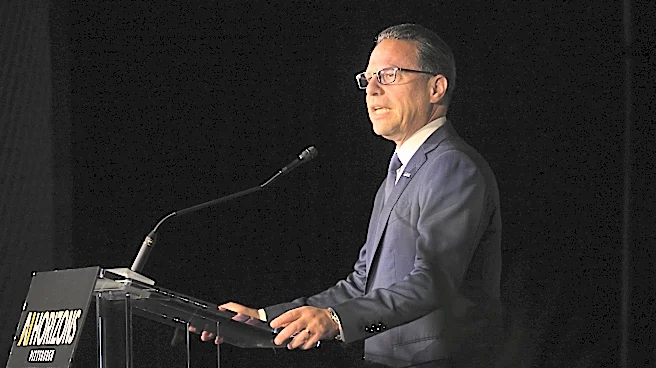
On October 26, 2026, Governor Josh Shapiro signed Act 117 of 2026 into law, establishing a statewide restriction on student cellphone use during the school day in Pennsylvania. This new law mandates that all school entities, including school districts,
charter schools, intermediate units, career and technical schools, private schools, approved private schools, and nonpublic schools, must implement policies and procedures prohibiting student mobile device use during school hours. These policies must be in place no later than the start of the 2027-28 school year. The law does include several exceptions for specific circumstances, such as documented medical conditions, Individualized Education Programs (IEPs) or 504 Service Agreements, and for English language learners requiring translation.
Why It's Important?
Act 117 of 2026 represents a significant shift in how mobile devices are managed in Pennsylvania schools, aiming to address concerns about distraction, cyberbullying, and academic performance. By requiring a statewide policy, it ensures consistency across different educational institutions, potentially creating a more focused learning environment for students. Schools will need to develop comprehensive plans not only for enforcing the ban but also for establishing alternative communication methods for parents to reach their children during the school day. The law's exceptions highlight a recognition of the essential role mobile devices can play for students with specific needs, requiring schools to balance the general prohibition with individual accommodations. This policy could lead to improved student engagement and reduced behavioral issues related to phone use.
What's Next?
Pennsylvania school entities are now tasked with reviewing their existing policies and procedures to ensure compliance with Act 117. They must establish new policies and procedures by the start of the 2027-28 school year. This will involve making decisions on how to enforce the ban, identifying methods for parents to contact their children, and determining when mobile device use might be appropriate for instructional purposes. Schools will also need to analyze and plan for the limited exceptions, ensuring that students with documented medical conditions, IEPs, 504 plans, or those needing translation services can still utilize their devices as necessary. Collaboration between school staff and parents will be crucial for successful implementation.
Beyond the Headlines
The statewide cellphone ban in Pennsylvania schools reflects a growing national conversation about the impact of technology on education and youth well-being. This policy could spark broader discussions about digital literacy, responsible technology use, and the role of schools in managing students' digital lives. It also raises questions about the balance between student autonomy and institutional control, as well as the potential for unintended consequences, such as increased reliance on other forms of communication or challenges in emergency situations. The implementation of Act 117 will provide valuable insights into the effectiveness of such bans and could influence similar policy debates in other states grappling with the pervasive presence of mobile devices in educational settings.