








What's Happening?
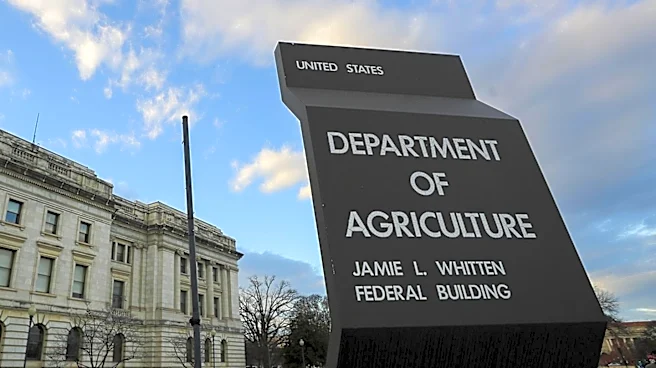
The U.S. Department of Agriculture (USDA) is set to launch the Great American Christmas Market, a two-day holiday event on the National Mall in Washington D.C. This event will showcase American-grown, raised, and made products from agricultural producers,
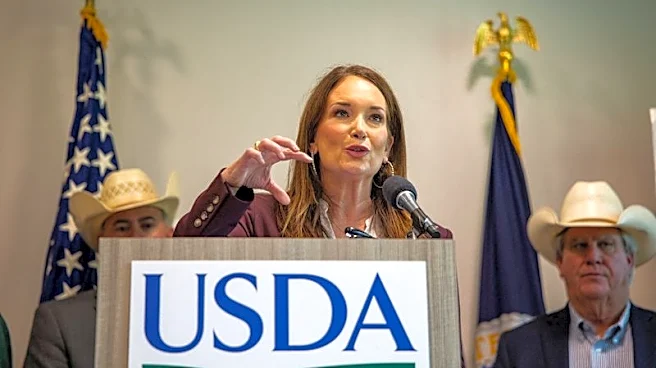
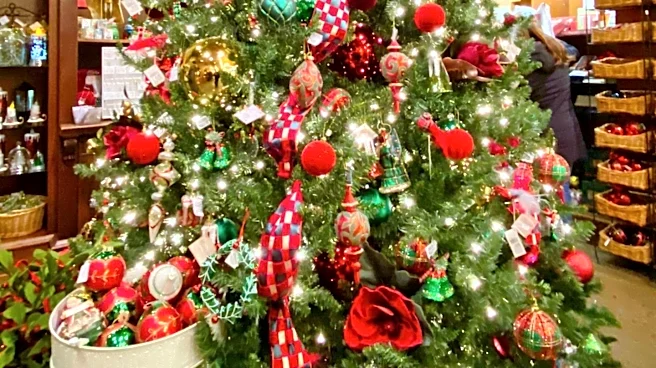
artisans, and rural businesses across the United States. U.S. Secretary of Agriculture Brooke L. Rollins announced that the market aims to highlight the deep connection between American agriculture and Christmas traditions, from holiday meals to Christmas trees. The market will feature a diverse range of products, including fresh Christmas trees, wreaths, seasonal produce, artisan cheeses, specialty foods, honey, preserves, baked goods, premium meats, lavender products, and handcrafted gifts. This event also marks the final USDA activity associated with the nationwide commemoration of America's 250th anniversary, following the Great American State Fair and Great American Farmers Market held earlier in the year. Rollins is expected to officially open the market and acknowledge the participants.
Why It's Important?
This initiative is significant for several reasons. Firstly, it provides a direct platform for American farmers, ranchers, and agricultural producers to reach consumers, potentially increasing their sales during a crucial holiday period. By encouraging consumers to choose American-grown and made products, the USDA aims to support rural economies and strengthen the connection between consumer spending and agricultural communities. The event also serves to educate the public on the diversity of products generated by U.S. agriculture beyond major commodity crops, showcasing specialty items and value-added farm products. For many small and diversified farms, direct-to-consumer sales through markets like this are vital for revenue generation and building customer relationships. Furthermore, the market's location on the National Mall offers a high-profile platform for American agriculture, reinforcing its economic importance and cultural relevance in the nation's capital. It underscores the USDA's commitment to celebrating and supporting the agricultural sector as a cornerstone of American heritage and tradition.
What's Next?
The Great American Christmas Market is scheduled to be a two-day event, with U.S. Secretary of Agriculture Brooke L. Rollins officially opening it. Following this event, the USDA will likely continue its efforts to promote American agriculture and rural businesses, potentially through similar initiatives or ongoing programs. The success of this market could influence future USDA strategies for connecting producers with consumers and celebrating agricultural contributions. For the participating farmers and businesses, the immediate next step will be to capitalize on the exposure and sales opportunities presented by the market. They will aim to build new customer relationships and expand their market reach. The broader impact of the market will be assessed in terms of economic benefits to rural communities and increased public awareness of American agricultural products. The USDA's focus on America's 250th anniversary suggests a continued emphasis on national pride and support for domestic industries in upcoming years.
Beyond the Headlines
Beyond the immediate economic benefits, the Great American Christmas Market carries deeper cultural and ethical implications. It reinforces the narrative of American self-sufficiency and the value of local production, which can resonate with consumers increasingly interested in the origins of their food and goods. The emphasis on 'grown, raised, and made in America' taps into a sense of national identity and support for domestic labor. Ethically, it promotes sustainable practices by supporting smaller, often family-run farms and businesses, which can contribute to local food systems and reduce the carbon footprint associated with long-distance transportation. Culturally, the market intertwines agricultural production with cherished holiday traditions, highlighting how farming is integral to the American way of life. This event also subtly counters the trend of globalization by championing local economies and craftsmanship, fostering a sense of community and shared heritage around agricultural products.