





What's Happening?
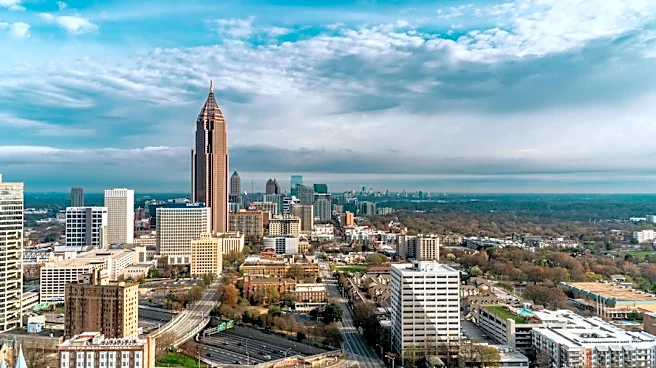
A boil water advisory that had been in effect for several days across parts of the City of Atlanta and various communities within Fulton County has been fully lifted. The Atlanta Department of Watershed Management (DWM) announced the complete lifting
of the advisory on Wednesday morning, approximately two hours ahead of its estimated cancellation time. The advisory was initially issued after an issue was reported at the Chattahoochee Water Treatment Plant on Sunday. Subsequent sampling results from the water showed no signs of contamination, confirming that the city's drinking water now meets or exceeds federal standards.
Why It's Important?
The lifting of the boil water advisory is a significant relief for thousands of residents and businesses in the affected metro Atlanta communities, including portions of South Fulton, Fairburn, Union City, Chattahoochee Hills, and Palmetto. Boil water advisories impose considerable inconvenience and potential health risks, requiring residents to boil all water for consumption, cooking, and hygiene. For businesses, particularly those in the food service industry, such advisories can lead to operational disruptions, financial losses, and compliance challenges. The swift resolution and confirmation of water safety are crucial for restoring public confidence in the municipal water supply and ensuring the uninterrupted functioning of daily life and commerce in the region.
What's Next?
With the boil water advisory officially lifted, residents in the previously affected areas can resume normal water usage without the need for boiling. The Atlanta Department of Watershed Management will likely continue to monitor water quality to ensure sustained compliance with federal standards. There may also be a review of the incident at the Chattahoochee Water Treatment Plant to identify the root cause of the issue and implement preventative measures to avoid future occurrences. This could involve upgrades to infrastructure, enhanced maintenance protocols, or improved emergency response plans to safeguard the water supply for metro Atlanta's growing population.
Beyond the Headlines
This incident, while resolved, highlights the broader vulnerability of urban water infrastructure to unforeseen issues and the critical importance of robust water management systems. The rapid response and subsequent testing by the DWM underscore the essential role of public health agencies in safeguarding community well-being. Beyond the immediate impact, such events often prompt discussions about long-term investment in aging infrastructure, climate resilience, and the development of redundant systems to ensure continuous access to safe drinking water. It also serves as a reminder for communities to have emergency preparedness plans in place, including provisions for alternative water sources, in the event of future advisories or disruptions.