







What's Happening?
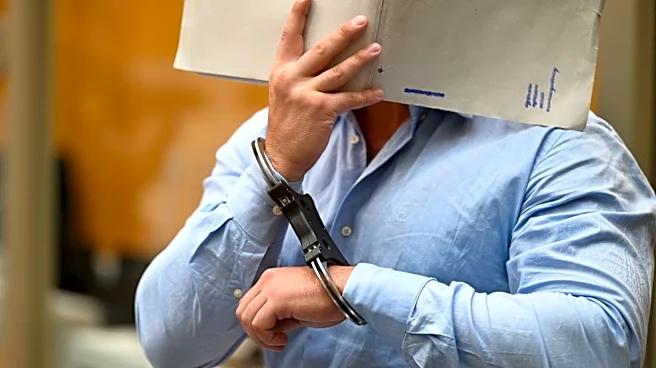
Authorities in Bremen, Germany, are investigating a significant corruption case within the Bremen-Oslebshausen correctional facility. The investigation targets 23 individuals, including six prison employees and ten inmates, suspected of involvement in a bribery
scheme. Prison staff are alleged to have smuggled prohibited items such as communication devices, food, and drugs into the facility, which were then reportedly distributed or sold by the inmates. Searches have been conducted at ten apartments in Bremen and Lower Saxony, as well as eleven prison cells within the JVA Bremen-Oslebshausen. The public prosecutor's office is pursuing charges including bribery, corruption, and drug trafficking. This incident follows similar cases recently uncovered in North Rhine-Westphalia, highlighting a broader issue of corruption within German correctional systems. Bremen's Justice Senator, Claudia Schilling, emphasized the need for a thorough investigation and stated that the implicated employees have already faced disciplinary actions, including temporary suspensions.
Why It's Important?
This investigation underscores critical vulnerabilities within correctional systems, where the integrity of prison staff is paramount to maintaining security and order. The alleged smuggling of communication devices, drugs, and other contraband can severely compromise prison safety, facilitate further criminal activities, and undermine rehabilitation efforts. The involvement of both staff and inmates suggests a systemic breakdown that could have far-reaching consequences for public trust in the justice system. Such incidents can lead to increased violence within prisons, drug abuse among the incarcerated population, and the potential for external criminal networks to operate from within correctional facilities. For the affected communities, it raises concerns about the effectiveness of law enforcement and the potential for illicit substances and communications to leak beyond prison walls, impacting public safety. The broader implications include a potential reevaluation of security protocols, staff vetting processes, and oversight mechanisms across German correctional institutions to prevent future occurrences.
What's Next?
The ongoing investigation will focus on evaluating the seized evidence to determine the full extent of the bribery and smuggling operations. Prosecutors will continue to gather information to identify any additional suspects, including those outside the immediate prison environment. Disciplinary actions against the implicated prison employees are expected to proceed, potentially leading to permanent dismissal and criminal charges. The Bremen Justice Senator has called for a complete and transparent clarification of the events, which may result in a review of existing security measures and staff training within the JVA Bremen-Oslebshausen. Opposition parties in Bremen have demanded accountability and stricter consequences for those involved, suggesting that policy changes and enhanced oversight might be implemented to prevent similar incidents in the future. The outcomes of this investigation could influence national discussions on prison reform and anti-corruption measures within Germany's justice system.
Beyond the Headlines
The recurring nature of such corruption cases in German prisons, as evidenced by similar incidents in North Rhine-Westphalia, points to a deeper systemic challenge beyond isolated incidents. This situation highlights the ethical dilemmas faced by prison staff, who are often under immense pressure and may be susceptible to corruption due to various factors, including financial incentives or coercion. The presence of contraband like communication devices can enable inmates to maintain contact with criminal organizations, plan escapes, or continue illegal activities from behind bars, thereby undermining the very purpose of incarceration. This issue also brings to light the psychological and social dynamics within prison environments, where power imbalances and the constant demand for prohibited items can create fertile ground for illicit trade. Addressing these challenges requires not only stricter enforcement and punishment but also a comprehensive approach that includes improved staff welfare, ethical training, and robust internal oversight mechanisms to foster a culture of integrity and accountability within correctional facilities.