
What's Happening?
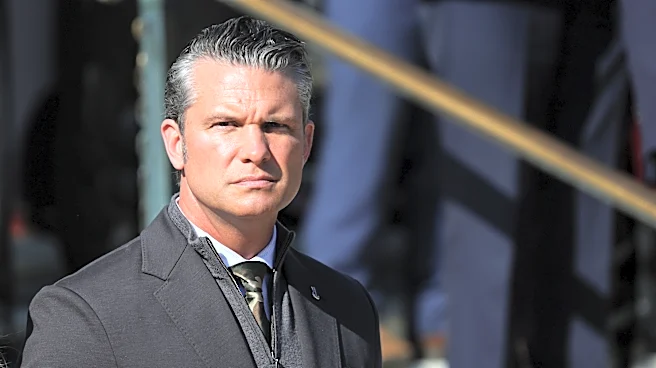
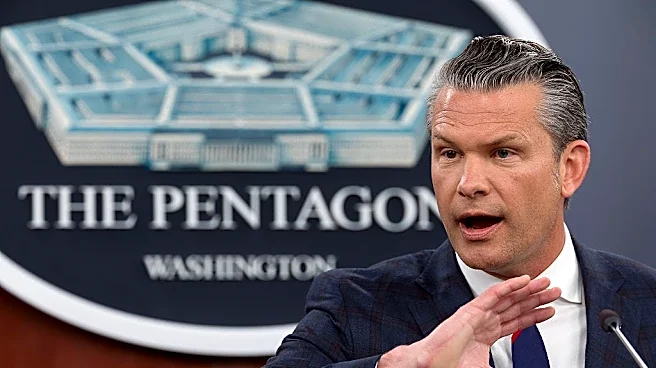
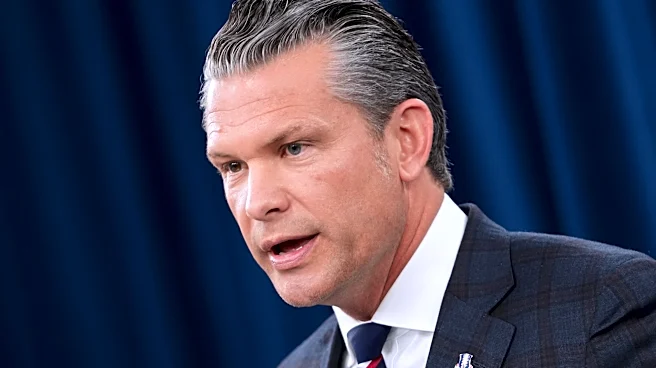
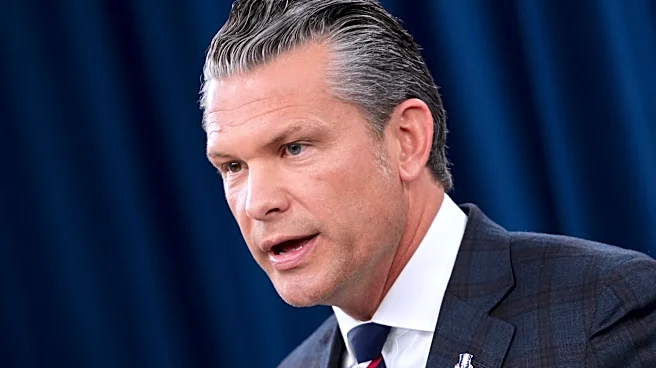
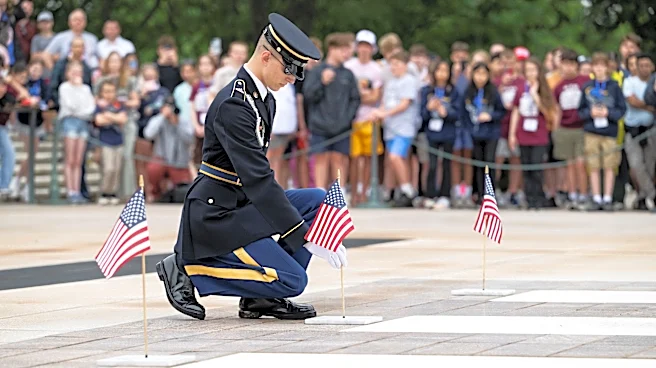
War Secretary Pete Hegseth and his team were reprimanded by a soldier guarding the Tomb of the Unknown Soldier at Arlington National Cemetery after a Veterans Day ceremony. The incident occurred on Wednesday
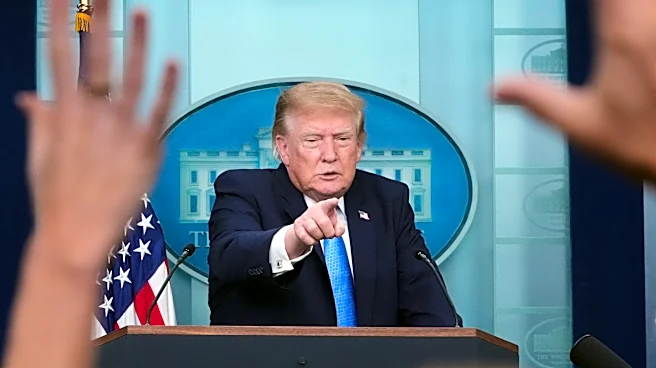
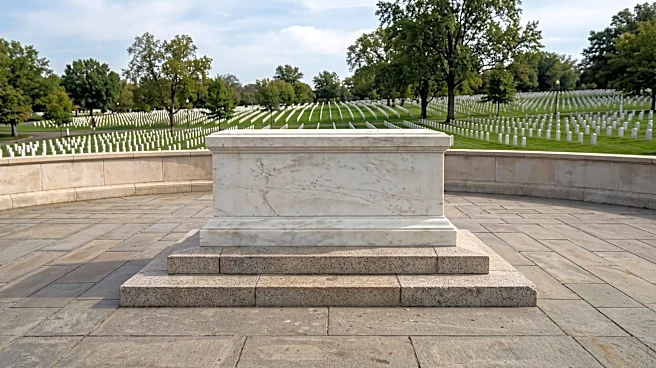
when Hegseth, his wife Jennifer, Chief of Staff Rick Buria, Deputy Chief of Staff Patrick Weaver, and Senior Advisor Tami Radabaugh were taking photos. A loud laugh from the group prompted the soldier on guard to shout, reminding them to "maintain an atmosphere of silence and respect at all times." Pentagon spokesperson Sean Parnell stated that the soldier "correctly and respectfully reminded everyone to maintain decorum." The Tomb of the Unknown Soldier is a revered memorial for unidentified soldiers from World War I, World War II, and the Korean War, guarded continuously by the U.S. Army’s 3rd Infantry Regiment since 1948. President Trump and Vice President JD Vance also delivered remarks at the Veterans Day commemoration.
Why It's Important?
This incident carries significant implications for the perception of respect towards military service and national memorials. The Tomb of the Unknown Soldier is a sacred site, symbolizing the ultimate sacrifice made by service members. Any perceived disrespect, especially from high-ranking government officials, can be deeply offensive to veterans, military families, and the public. The event could fuel criticism against War Secretary Hegseth, particularly given that it occurred shortly after he narrowly avoided an impeachment resolution. It raises questions about the conduct of public officials in solemn settings and the standards of decorum expected from those in positions of power. For the military, it underscores the importance of maintaining the sanctity of their memorials and the unwavering dedication of the soldiers who guard them, even when confronting high-profile individuals. The incident may also contribute to broader political discourse regarding accountability and respect within government.
What's Next?
The incident is likely to generate further public discussion and potential political fallout. While the Pentagon has issued a statement acknowledging the soldier's correct action, critics, particularly Democrats, may use this event to reinforce arguments about War Secretary Hegseth's fitness for office. Rep. Gwen Moore, D-Wisc., has already stated that the incident demonstrates Hegseth's "utter lack of fitness." With Democrats poised to take control of Congress in January, this event could provide additional ammunition for future oversight or impeachment efforts against Hegseth. The military may also reinforce protocols for visitors to the Tomb of the Unknown Soldier, emphasizing the need for solemnity. The incident serves as a reminder to all public figures about the heightened scrutiny they face, especially in contexts related to national service and remembrance.
Beyond the Headlines
Beyond the immediate political ramifications, this event touches upon the cultural values placed on military sacrifice and national remembrance in the United States. The Tomb of the Unknown Soldier represents a collective memory and gratitude for those who served and died for the country. The incident highlights a potential disconnect between the solemnity of such memorials and the behavior of some public figures. It could prompt a broader reflection on how national symbols and historical sites are treated in an increasingly polarized political climate. The soldier's firm but respectful intervention also underscores the enduring discipline and dedication of the U.S. military, serving as a powerful symbol of their commitment to upholding the values they protect. This event may contribute to a renewed emphasis on civility and respect in public life, particularly concerning matters of national honor and military service.