




What's Happening?
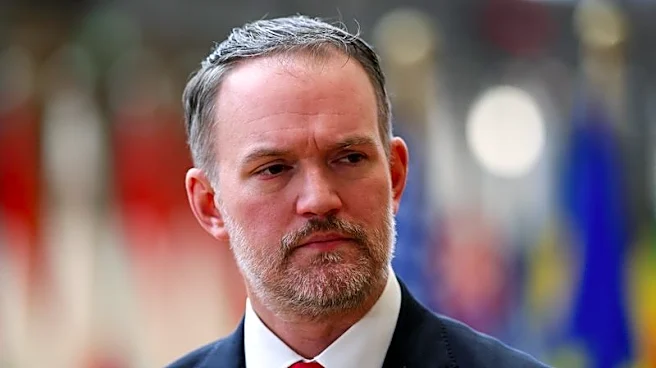
Outgoing Mossad chief David Barnea opposed the appointment of Maj. Gen. Roman Gofman as his successor, citing concerns over Gofman's involvement in an unauthorized military operation. Retired Supreme Court chief justice Asher Grunis revealed Barnea's
opposition in a dissenting opinion, which was released amid legal challenges to Gofman's appointment. The controversy involves Gofman's alleged role in using a minor in a military influence operation, raising questions about the integrity of the appointment process. Attorney General Gali Baharav-Miara has urged the High Court to consider these issues, highlighting flaws in the approval process.
Why It's Important?
The controversy surrounding Gofman's appointment as Mossad chief highlights the critical importance of integrity and propriety in leadership roles within sensitive security agencies. The allegations against Gofman, if proven, could undermine trust in the Mossad and its operations. This situation also reflects broader concerns about accountability and transparency in government appointments, particularly in agencies with significant national security responsibilities. The outcome of this case could set precedents for future appointments and influence public confidence in the government's handling of security matters.
What's Next?
The High Court of Justice is expected to review the petitions against Gofman's appointment, with potential implications for his future as Mossad chief. The court's decision could impact the standards applied to future appointments within the Mossad and other security agencies. Additionally, the controversy may prompt discussions about the oversight and transparency of military and intelligence operations, potentially leading to reforms in how such appointments are vetted and approved.