







What's Happening?
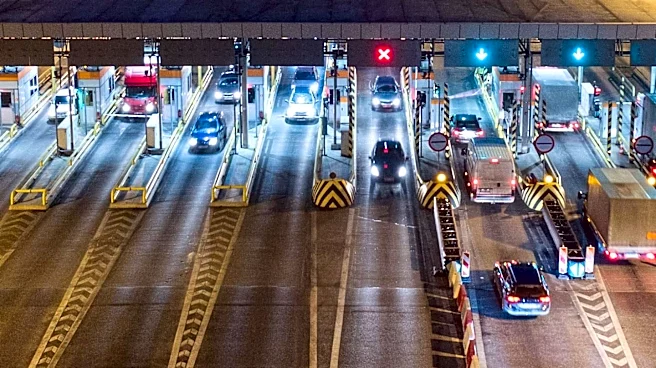
New York has largely transitioned to cashless tolling systems across its major roads, bridges, and tunnels. This modernization means that physical cash payments at toll booths are no longer widely accepted. Instead, tolls are collected electronically
either through E-ZPass transponders or by capturing vehicle license plate information. For drivers in rental cars, this shift presents a new set of challenges, as the electronic billing chain can lead to unexpected administrative fees from rental companies. Travelers are advised to understand how these systems work and to clarify their rental company's toll policy before driving to avoid additional charges. The system relies on cameras and sensors to read E-ZPass tags or capture license plates, with the toll then debited from an associated account or billed to the vehicle's registered owner, which for rentals, is the rental company.
Why It's Important?
The widespread adoption of cashless tolling in New York significantly impacts both local commuters and out-of-state visitors, particularly those using rental vehicles. While designed to improve traffic flow and reduce delays, the system introduces complexities for rental car users who may incur unforeseen administrative fees if they are not proactive in understanding and managing their toll payments. This can lead to increased travel costs and potential disputes with rental agencies. The move away from cash payments also means that drivers cannot simply pay at a booth, necessitating a clear strategy for electronic toll management. The efficiency gained in traffic movement is balanced against the need for greater consumer awareness and transparency from rental car providers regarding their toll processing policies.
What's Next?
Travelers renting cars in New York will need to proactively engage with rental companies to understand their toll payment options and avoid unexpected charges. This includes inquiring about the presence and activation status of E-ZPass transponders in their rental vehicles, and clarifying whether tolls will be billed directly to their account or via license plate with potential administrative fees. Rental companies may need to enhance their transparency regarding toll policies, clearly outlining per-toll fees, daily caps, and billing timelines. Drivers can also consider using their personal E-ZPass accounts by adding the rental vehicle's license plate, or planning routes to minimize toll road usage where practical, although this may increase travel time.
Beyond the Headlines
The shift to cashless tolling in New York highlights a broader trend in infrastructure modernization aimed at improving efficiency and reducing congestion. However, it also underscores the evolving challenges in consumer protection and transparency in the digital age. The reliance on electronic systems generates vast amounts of data, raising questions about data retention, privacy, and interoperability across different jurisdictions. While the immediate focus is on avoiding rental car surcharges, the long-term implications involve how these systems are managed, how revenue is reinvested, and the balance between technological convenience and individual privacy rights. The success of such systems hinges not only on their technical functionality but also on clear communication and fair practices from all stakeholders involved.