







What's Happening?
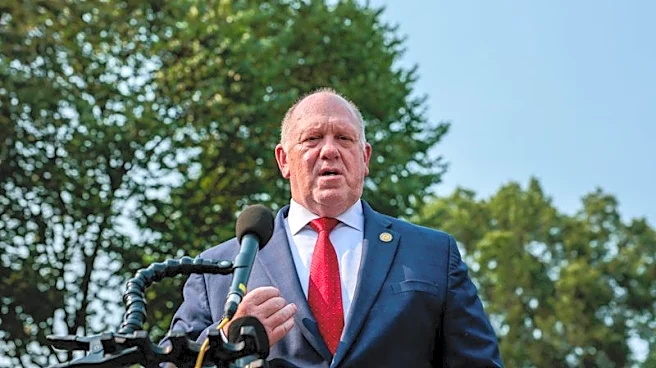
Tom Homan, the White House border czar, has made controversial statements regarding recent fatal shootings involving ICE officers. Homan asserted that these incidents could have been avoided if the individuals had complied with law enforcement. His comments
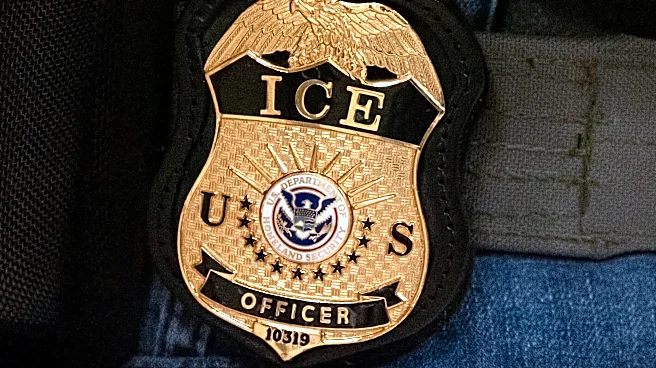
come in the wake of two recent fatal shootings by ICE agents, including the deaths of Joan Sebastián Guerrero in Maine and Lorenzo Salgado Araujo in Texas. Homan's remarks have drawn criticism from immigration law experts who argue that ICE's tactics often make compliance difficult. They point out that ICE agents frequently operate in unmarked vehicles and do not clearly identify themselves, leading to confusion and fear among those they approach. Critics also highlight that ICE's claims of individuals 'weaponizing' vehicles have often been disputed and lack corroborating evidence, such as body camera footage.
Why It's Important?
Homan's statements have significant implications for public trust in law enforcement and immigration policy. By suggesting that compliance would prevent fatalities, Homan shifts the focus from the actions of ICE agents to the behavior of the victims. This perspective has been criticized for ignoring the legal and ethical responsibilities of law enforcement to de-escalate situations and adhere to constitutional protections. The controversy highlights broader concerns about the use of force by immigration officers and the potential for civil liberties violations. The lack of body cameras and accountability measures further exacerbates these issues, raising questions about transparency and oversight in immigration enforcement.
What's Next?
The debate over ICE's enforcement tactics and the use of deadly force is likely to continue, with potential calls for policy reforms and increased oversight. Civil rights organizations and legal experts may push for the implementation of body cameras for ICE agents and independent investigations into recent shootings. The administration's response to these demands could influence public perception and policy direction regarding immigration enforcement. Additionally, there may be increased scrutiny on how ICE conducts operations and the legal frameworks governing their actions.
Beyond the Headlines
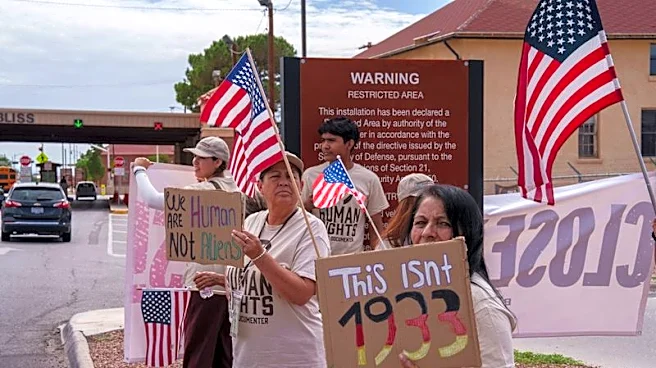
The situation underscores the tension between immigration enforcement and civil liberties, particularly in communities with high immigrant populations. The fear and mistrust generated by aggressive enforcement tactics can have long-term impacts on community relations and cooperation with law enforcement. This dynamic may also affect broader discussions on immigration policy and reform, as stakeholders consider the balance between security and human rights.