

What's Happening?
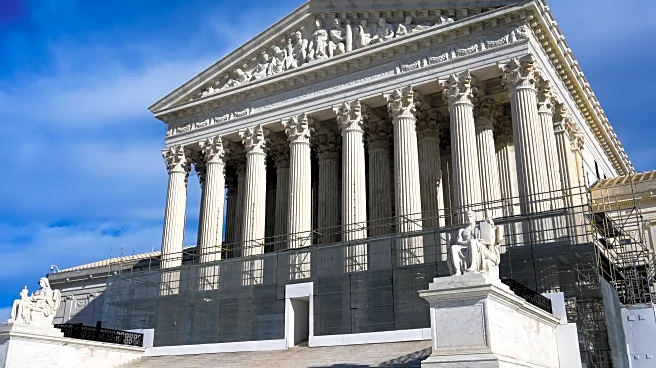
A federal appeals court has rejected the Trump administration's request to delay the implementation of a Supreme Court ruling that invalidated most of President Trump's tariffs. This decision allows the U.S. Court of International Trade to begin processing
tariff refunds for small businesses that challenged the tariffs. The Supreme Court had ruled that the International Emergency Economic Powers Act did not authorize the imposition of these tariffs. The appeals court's decision means that businesses affected by the tariffs can now seek refunds, a process that could take years according to Justice Department estimates.
Why It's Important?
The court's decision is a significant development for businesses that have been financially impacted by the tariffs. The ruling could lead to substantial refunds for companies that paid these duties, potentially alleviating financial strain and encouraging economic activity. The decision also underscores the limitations of presidential powers in imposing tariffs, setting a precedent for future trade policy. The outcome of this case could influence how tariffs are implemented and challenged in the future, affecting international trade relations and economic policy.
What's Next?
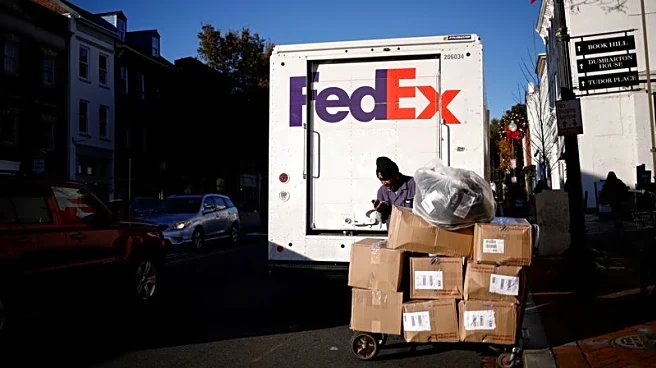
With the appeals court's decision, the process of issuing refunds will begin, although it may take years to complete. Businesses like FedEx, Revlon, and Costco are among those seeking refunds. The federal government will need to manage the logistics of refunding these duties, which could involve significant administrative resources. The decision may also prompt further legal and political discussions about the scope of presidential powers in trade matters and the potential need for legislative changes to clarify these powers.