






What's Happening?
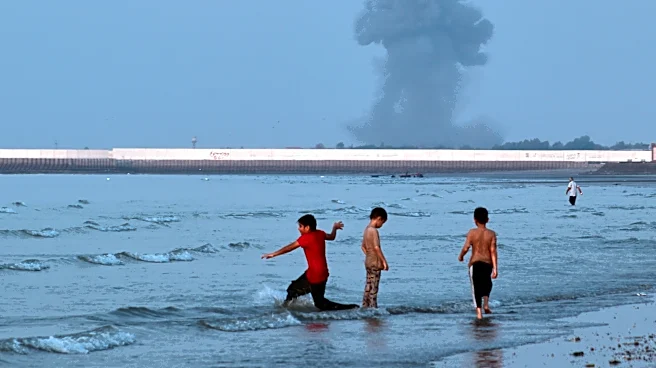
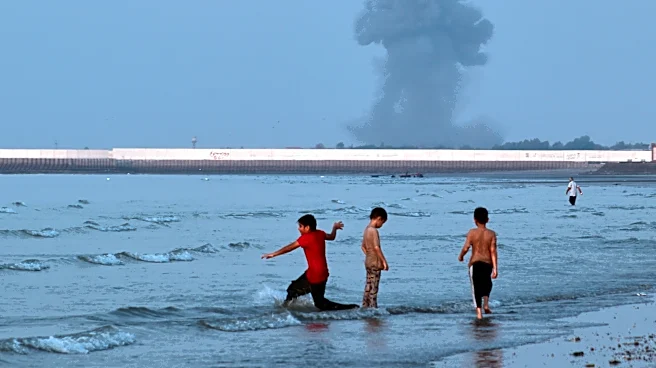
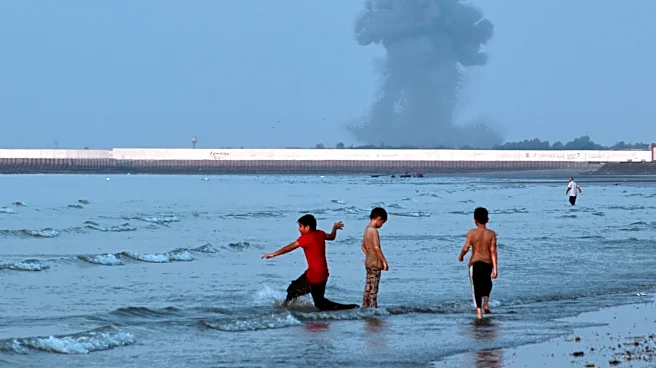
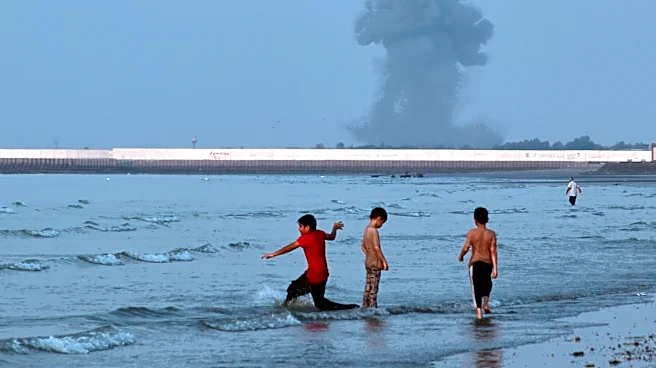
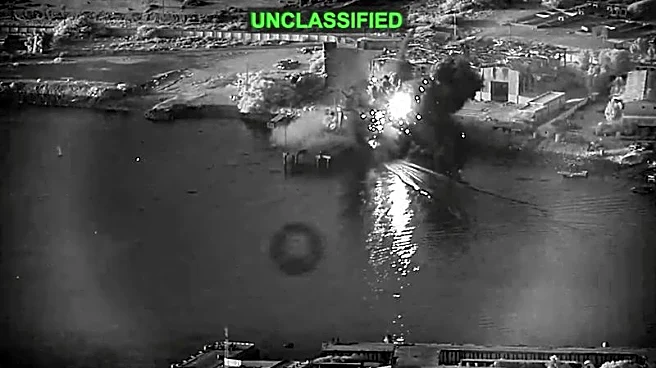
President Trump has issued a threat to expand U.S. military strikes on Iran to include civilian infrastructure such as power plants and bridges if Tehran does not agree to a deal. This move follows a previous statement in March and is considered illegal
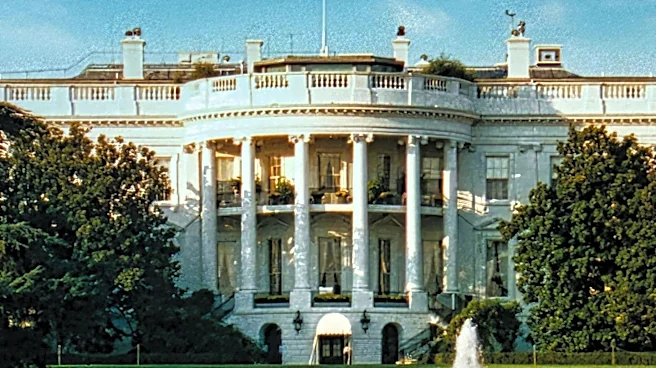
under international humanitarian law. Concurrently, Trump has reversed a decision to impose a 20% toll on ships passing through the Strait of Hormuz, citing productive discussions with Middle Eastern leaders. Meanwhile, Senate Democrats have blocked the advancement of the National Defense Authorization Act (NDAA) due to ongoing hostilities, with top House Democrats opposing cuts to U.S. military aid to Israel.
Why It's Important?
The potential targeting of civilian infrastructure in Iran by the U.S. could escalate tensions significantly, impacting global diplomatic relations and potentially leading to international condemnation. The blockade of the NDAA by Senate Democrats highlights internal U.S. political divisions over military strategy and foreign policy, particularly concerning the Middle East. The situation underscores the complex interplay between U.S. domestic politics and international military engagements, with significant implications for U.S. foreign policy and its global standing.
What's Next?
The international community will likely monitor the situation closely, with potential diplomatic efforts to de-escalate tensions. The U.S. Congress may face increased pressure to find a resolution to the NDAA impasse, balancing military commitments with diplomatic strategies. Reactions from Iran and other Middle Eastern countries will be critical in shaping the next steps, potentially influencing U.S. foreign policy decisions.