

What's Happening?
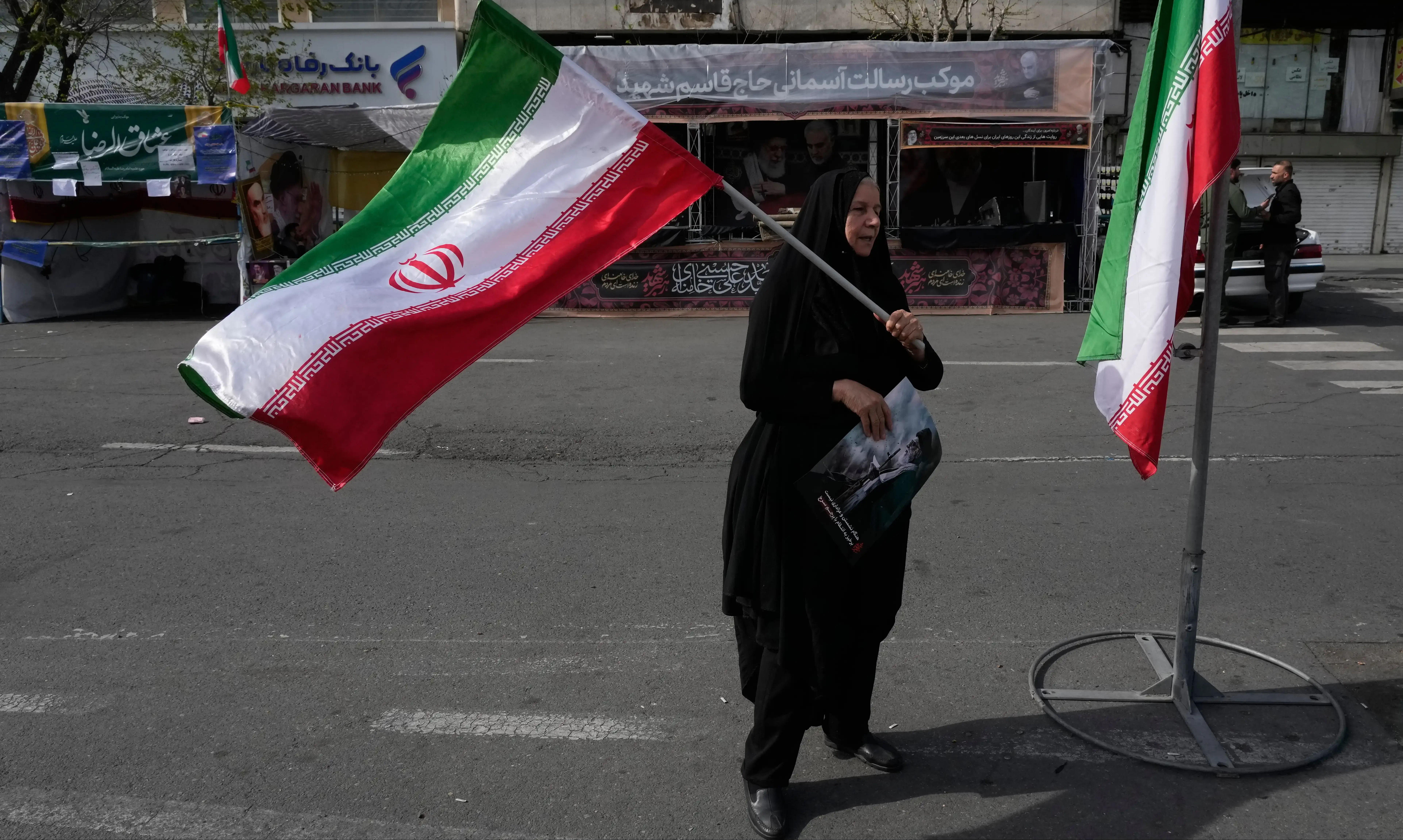
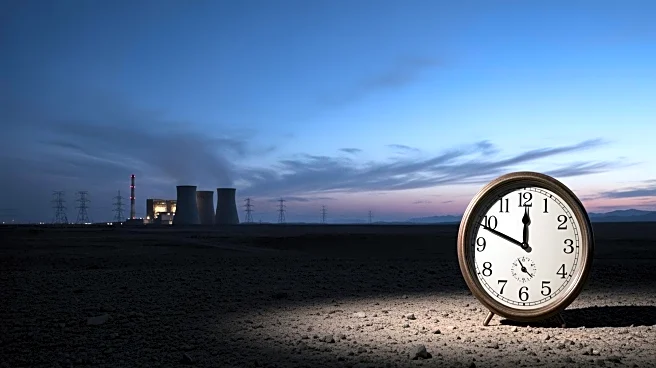
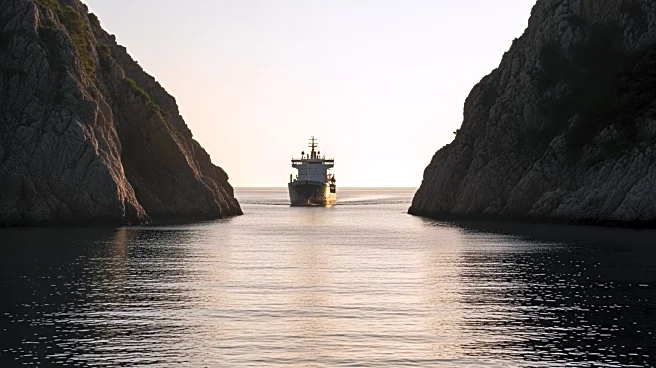
President Donald Trump has extended a deadline for Iran to reopen the Strait of Hormuz, delaying potential U.S. strikes on Iranian power plants for five days. This decision follows a period of heightened tensions and threats between the U.S. and Iran,
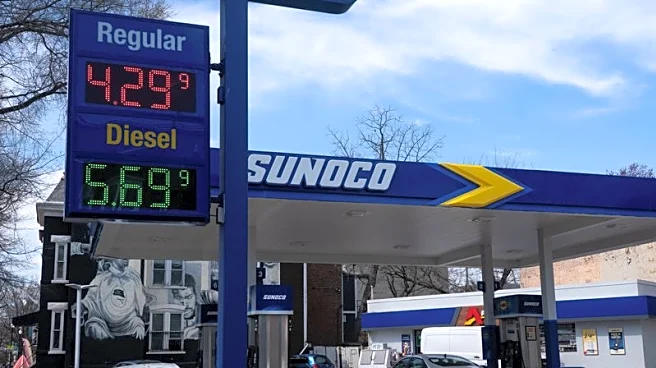
with the latter having launched missiles targeting Israel. The conflict, now in its fourth week, has resulted in significant casualties and economic disruptions, particularly affecting global oil prices. Trump's announcement came after what he described as 'very good and productive conversations' with Iran, although Iranian officials have denied any negotiations. The situation remains volatile, with potential impacts on energy markets and regional stability.
Why It's Important?
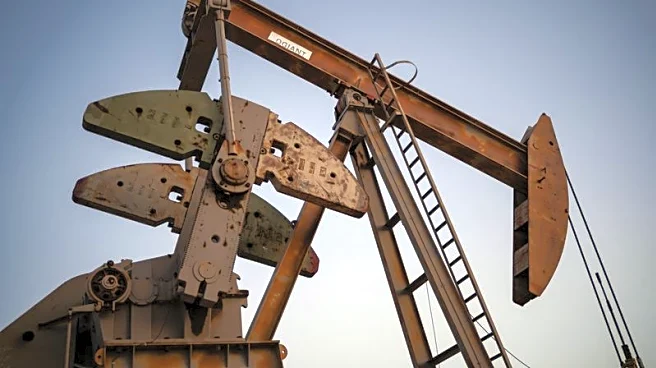
The extension of the deadline and the potential de-escalation of military actions could stabilize global energy markets, which have been severely affected by the conflict. The Strait of Hormuz is a critical chokepoint for global oil supplies, and any disruption can lead to significant economic repercussions worldwide. The U.S. decision to delay strikes may also prevent further civilian casualties and infrastructure damage in the region. However, the ongoing conflict continues to pose risks to international security and economic stability, with potential long-term impacts on U.S. foreign policy and military strategy in the Middle East.
What's Next?
The next steps involve monitoring the outcomes of the ongoing discussions between the U.S. and Iran. Any resolution could lead to a reopening of the Strait of Hormuz, easing global oil supply concerns. However, the situation remains fluid, with potential for further military actions if negotiations fail. The international community, including key stakeholders like the International Energy Agency, will likely continue to push for diplomatic solutions to prevent further escalation.