



What's Happening?
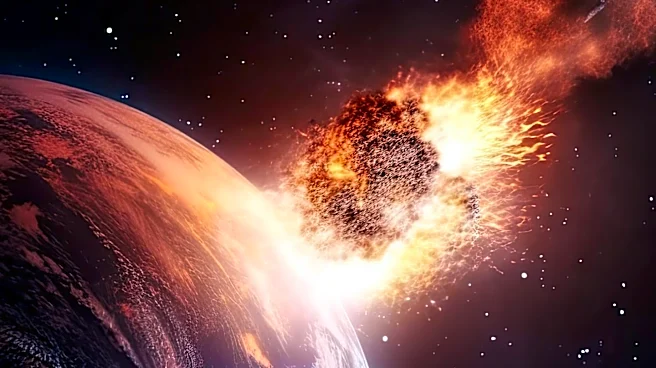
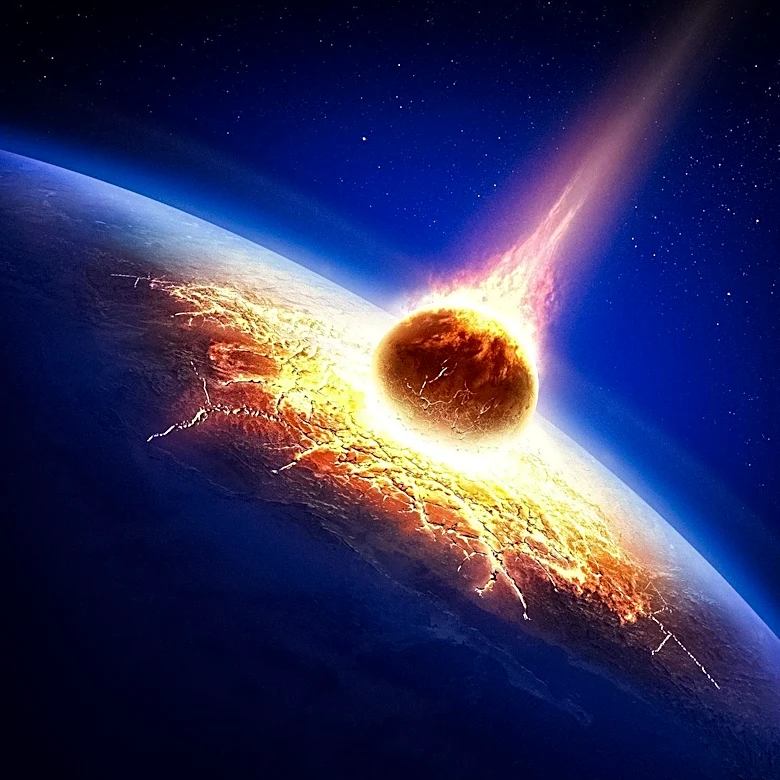
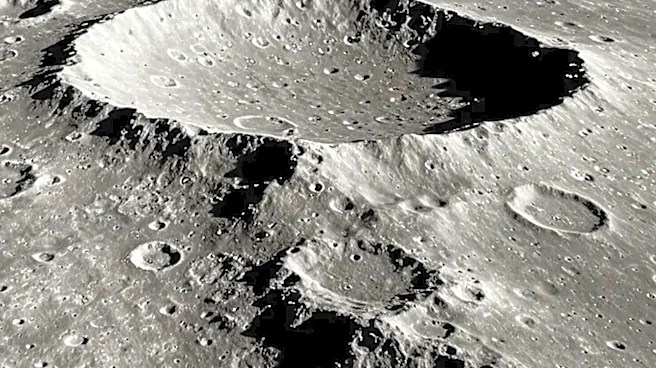
A new study suggests that the asteroid impact 66 million years ago, which created the Chicxulub crater in Mexico, may have caused widespread firestorms that were lethal to dinosaurs. The research, led by Brandon Johnson from Purdue University, indicates
that a thick layer of fine silicate dust, formed from rock vapor, acted as an insulating blanket, intensifying the heat on Earth's surface. This heat pulse was estimated to be 3.5 times more intense than previous models suggested, potentially killing off many species within hours. The study also found that the thermal radiation exceeded ignition thresholds for vegetation, leading to large-scale fires.
Why It's Important?
This research provides new insights into the catastrophic events that led to the extinction of the dinosaurs. Understanding the intensity and impact of the asteroid's aftermath helps scientists better comprehend mass extinction events and their effects on Earth's history. The findings highlight the role of atmospheric conditions in amplifying the destructive power of such impacts, which could inform current models of planetary defense against potential future asteroid threats.
What's Next?
Further research is needed to explore the global extent of these firestorms and their impact on different regions. Scientists may investigate other fossil sites to find additional evidence supporting this theory. The study also opens up discussions on how similar events could be mitigated in the future, emphasizing the importance of monitoring near-Earth objects and developing strategies to prevent potential collisions.