






What's Happening?
New York City health officials have announced that over two dozen individuals who were sickened by Legionnaires' disease on the Upper East Side have been discharged from the hospital. The outbreak had raised concerns among residents and health authorities,
prompting an investigation into the source of the disease. Legionnaires' disease is a severe form of pneumonia caused by inhaling water droplets contaminated with Legionella bacteria. The health department has been actively monitoring the situation to prevent further cases.
Why It's Important?
The discharge of these patients is a positive development in managing the Legionnaires' disease cluster, but it also highlights the ongoing public health challenges posed by such outbreaks. Legionnaires' disease can be particularly dangerous for older adults and those with weakened immune systems, making it crucial for health authorities to quickly identify and mitigate sources of contamination. The incident underscores the importance of maintaining and monitoring water systems in urban areas to prevent similar outbreaks. Public awareness and timely response are key to minimizing the impact of such health threats.
What's Next?
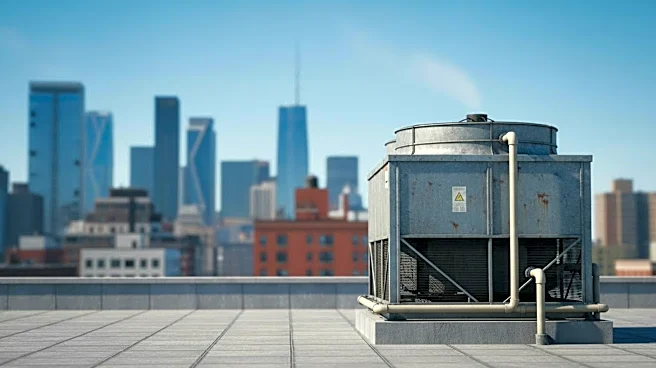
Health officials will likely continue their investigation to pinpoint the exact source of the Legionella bacteria to prevent future outbreaks. This may involve inspecting local water systems and implementing stricter regulations on water maintenance. The city might also increase public health messaging to educate residents on the symptoms and prevention of Legionnaires' disease. Continued vigilance and cooperation between health authorities and the community will be essential in ensuring public safety.