
What's Happening?
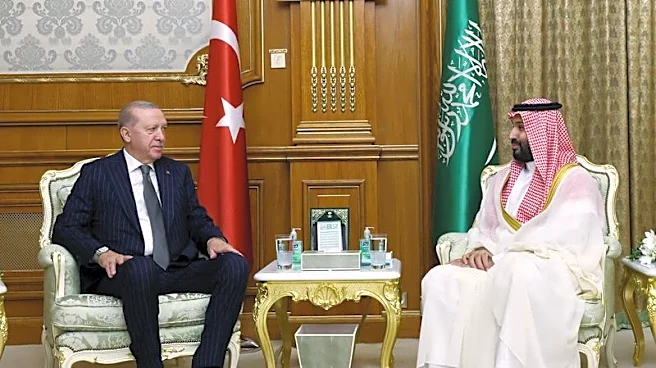
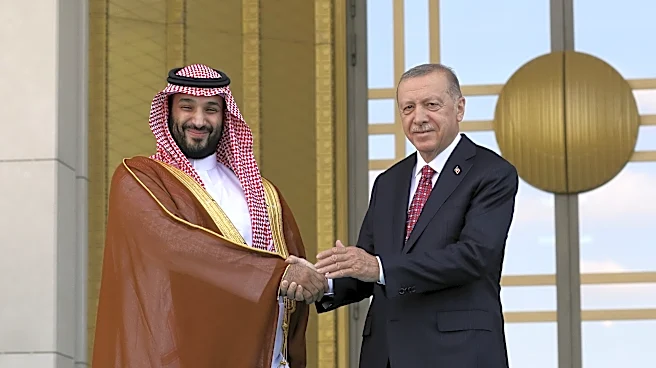
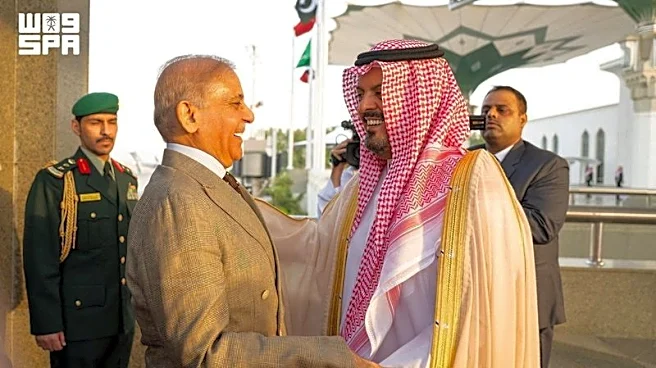
Saudi Arabia, Turkey, and Pakistan have signed a significant defense agreement, known as the 'Mecca Joint Defense Agreement', which was finalized in Mecca. This pact stipulates that an armed attack against any of the three nations will be considered an attack on all,
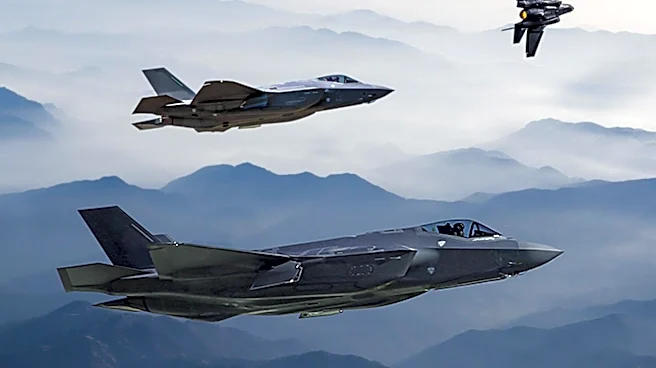
thereby strengthening collective deterrence. The agreement was signed by Saudi Crown Prince Mohammed bin Salman, Turkish President Recep Tayyip Erdogan, and Pakistan’s Prime Minister Shehbaz Sharif. It aims to enhance defense cooperation, including joint military exercises, technology transfers, and intelligence sharing. This development comes amid regional security concerns, particularly related to the ongoing conflict in Iran. The agreement is described as defensive and not directed against any specific country, with an open invitation for other regional countries to join.
Why It's Important?
The agreement marks a strategic alliance among three major Sunni Muslim-majority countries, combining Saudi Arabia's economic power, Pakistan's military expertise, and Turkey's advanced defense technology. This collaboration could shift the balance of power in the region, potentially deterring aggression and fostering stability. The pact also reflects a broader trend of regional powers seeking to diversify their defense partnerships amidst global geopolitical shifts. For the U.S., this alliance could influence its strategic interests in the Middle East, especially concerning its relations with Iran and its allies. The agreement may also impact global defense markets, as increased cooperation could lead to joint ventures and technology exchanges.
What's Next?
The agreement is expected to lead to increased military collaboration, including joint exercises and training programs. The three countries may also explore expanding trade and economic ties, further solidifying their alliance. Additionally, the pact could prompt reactions from other regional players, potentially leading to new alliances or shifts in existing ones. Observers will be watching for any changes in the regional security landscape, particularly in relation to Iran and other neighboring countries.