
What's Happening?
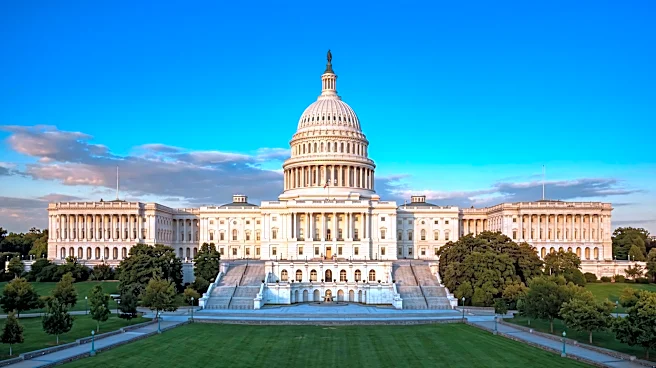
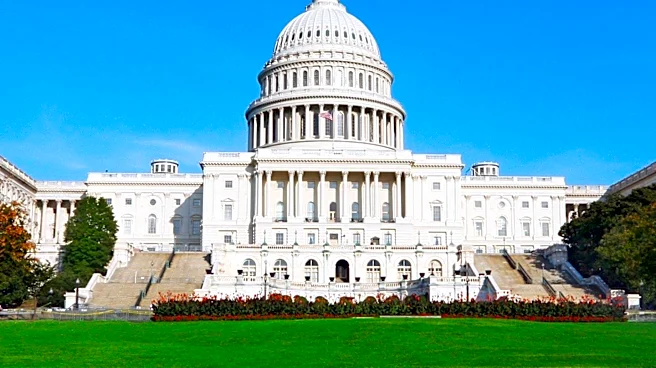
The U.S. House Energy and Commerce (E&C) Committee has advanced six nuclear energy bills to the full chamber. These bills address various aspects of the nuclear industry, including nuclear fuel recycling,
uranium enrichment, licensing procedures, and transparency. Among the legislation passed is the bipartisan Department of Energy Nuclear Transparency Act (H.R. 9084), introduced by U.S. House Energy Subcommittee Ranking Member Kathy Castor (D-FL). This bill aims to increase transparency regarding the U.S. Department of Energy’s authorizations of certain nuclear facilities. Other bills advanced include the Nuclear Recycling Efficient Fuels Utilizing Expedited Licensing (REFUEL) Act (H.R. 3978), the American Enrichment Deployment Act (H.R. 9612), the Nuclear Advisory Committee Reform Act (H.R. 9613), the Efficient Nuclear Licensing Hearings Act (H.R. 5549), and the NRC Staff Pay Alignment Act (H.R. 9614). Committee members, including Chairman U.S. Rep. Brett Guthrie (R-KY) and Ranking Member Frank Pallone Jr. (D-NJ), highlighted the bipartisan effort and the importance of strengthening the nation's nuclear industry for technological leadership and domestic energy reliability.
Why It's Important?
The advancement of these nuclear energy bills signifies a bipartisan commitment in Congress to bolster the U.S. nuclear industry. This legislative push is crucial for several reasons: it aims to modernize outdated regulations, reduce costs for American families, and enhance the nation's energy independence and security. The focus on nuclear fuel recycling and uranium enrichment facilities could lead to a more robust domestic supply chain for nuclear power, reducing reliance on foreign sources. Furthermore, increased transparency, as proposed by Rep. Castor's bill, is vital for building public confidence in the nuclear industry, which is essential for its expansion and long-term success. The legislation also seeks to streamline licensing processes, potentially accelerating the deployment of new nuclear facilities and clean power generation, which could contribute to climate goals and grid stability. The bipartisan nature of these efforts suggests a broad consensus on the strategic importance of nuclear energy for the U.S. economy and national security.
What's Next?
The six nuclear energy bills, having passed the House Energy and Commerce Committee, will now move to the full House of Representatives for consideration. If approved by the House, they will then proceed to the Senate for further review and potential passage. The bipartisan support demonstrated in the committee suggests a reasonable chance of these bills progressing through Congress. Key stakeholders, including nuclear energy companies, environmental groups, and energy policy advocates, will be closely monitoring the legislative process. The Department of Energy and the Nuclear Regulatory Commission (NRC) will likely play significant roles in implementing any enacted legislation, particularly regarding new transparency requirements, licensing procedures, and facility authorizations. The outcome of these legislative efforts could influence future investments in nuclear technology, the pace of nuclear power plant development, and the overall direction of U.S. energy policy.
Beyond the Headlines
The legislative package advanced by the E&C Committee reflects a broader strategic shift in U.S. energy policy, recognizing nuclear power as a critical component of a clean and reliable energy future. Beyond immediate economic and energy security benefits, these bills touch upon deeper implications for technological innovation and global competitiveness. By investing in advanced nuclear technologies and streamlining regulatory processes, the U.S. aims to reassert its leadership in nuclear energy on the international stage. The emphasis on transparency, particularly in Rep. Castor's bill, also addresses public concerns about safety and oversight, which have historically been significant hurdles for nuclear power. This move could foster greater public acceptance and support for nuclear energy projects. Furthermore, the focus on efficient fuel cycles and waste management could lead to long-term environmental benefits by reducing the volume and radioactivity of nuclear waste, addressing a persistent challenge for the industry.