
What's Happening?
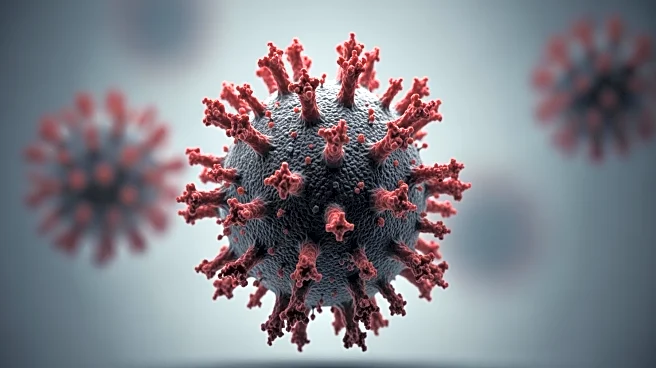
A recent outbreak of the Nipah virus in India has resulted in several deaths, prompting heightened alert across Asia. Countries like Thailand, Malaysia, and Singapore have implemented new screening measures
to prevent the spread. The Nipah virus, a zoonotic disease, is transmitted through contact with infected animals or contaminated food, and less commonly through human-to-human transmission. The virus is known for its high fatality rate and potential to cause severe neurological symptoms.
Why It's Important?
The outbreak underscores the ongoing threat of zoonotic diseases and the need for vigilant public health measures. While the risk of a widespread outbreak is currently low, the high fatality rate of the Nipah virus makes it a significant concern for affected regions. The situation highlights the importance of international cooperation in monitoring and controlling infectious diseases, as well as the need for continued research into treatments and vaccines.
What's Next?
Public health authorities in affected regions are likely to continue implementing and refining control measures to prevent further spread. Research into potential treatments and vaccines, such as the m102.4 treatment under development in Australia, will be crucial in managing future outbreaks. Monitoring and preparedness efforts will remain essential to mitigate the impact of the virus.