



What's Happening?
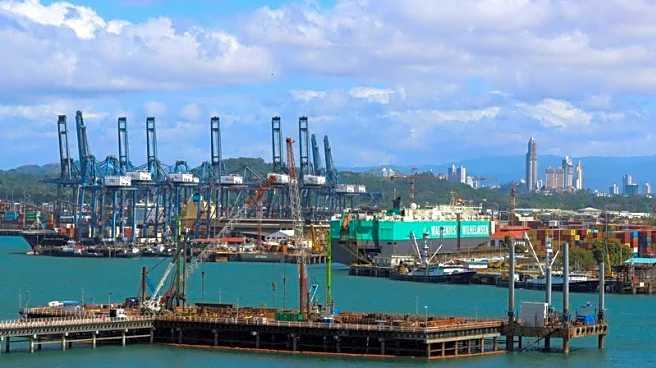
Chinese customs authorities have blocked shipments of Nvidia's H200 AI processors from entering the mainland, causing suppliers to pause production. This move follows recent U.S. export decisions that allowed controlled shipments of H200 chips to China.
The directive has led to significant disruptions, with some shipments reaching Hong Kong before being stopped by customs officials. The legal status of this action remains unclear, with no public explanation provided. The halt has caused several suppliers to pause production lines and some Chinese buyers to cancel orders. The H200 is considered one of Nvidia's most powerful AI processors, and this incident underscores the ongoing complexities in managing semiconductor flows between the U.S. and China.
Why It's Important?
The blockage of Nvidia's H200 shipments highlights the ongoing tensions in U.S.-China trade relations, particularly in the technology sector. This action could have significant implications for the global AI hardware supply chain, potentially delaying large-scale deployments in China. The move also reflects China's strategic considerations in balancing access to advanced technology with the development of its domestic semiconductor industry. The disruption may lead to increased efforts by Chinese companies to seek alternative sources or develop local capabilities, impacting Nvidia's market strategy and the broader tech industry.
What's Next?
The future of Nvidia's H200 shipments to China remains uncertain. Key questions include whether the blockage is temporary or indicative of a broader import ban. The resolution of this issue will depend on diplomatic negotiations and potential adjustments in export control policies. Companies involved in the supply chain may need to explore alternative markets or adjust production strategies. The situation also raises questions about how China will manage its AI development goals amid restricted access to foreign technology.