




What's Happening?
John Jay, a prominent figure in the early days of the United States, played a multifaceted role in the nation's formation. Born into a wealthy merchant family in New York City in December 1745, Jay became a lawyer after graduating from King's College
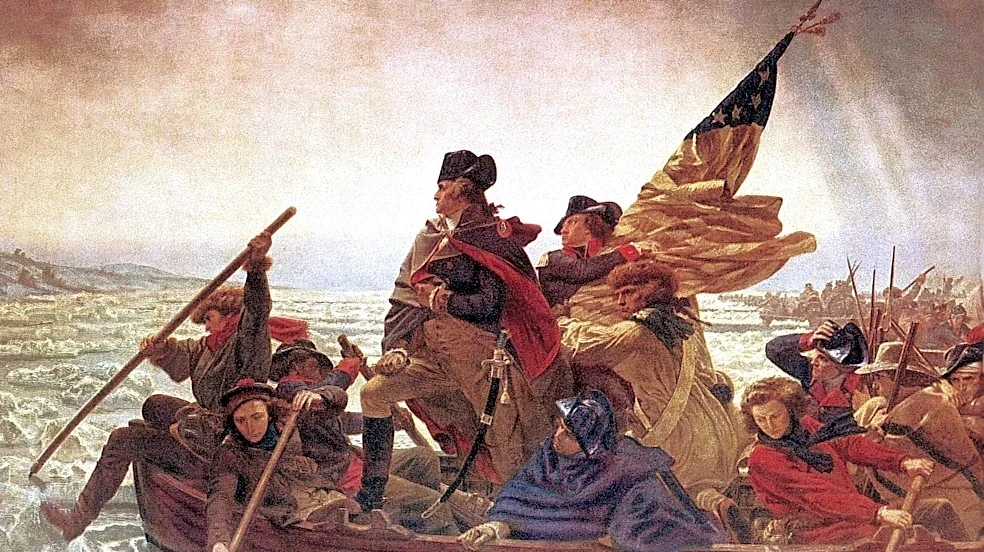
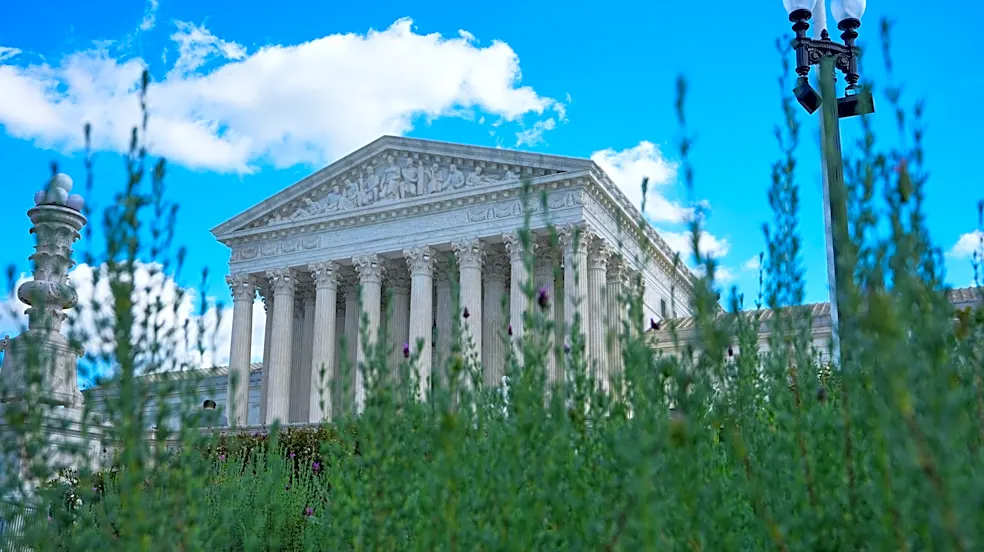
(now Columbia University). He was instrumental during the Revolutionary War, leading American counterintelligence efforts against the British. In 1776, he headed the New York Committee for Detecting and Defeating Conspiracies, recruiting spies, organizing scouting, and compiling intelligence on British and Loyalist activities, which significantly aided General George Washington's spy network. Jay's team notably uncovered and thwarted a British plot to assassinate Washington, earning him the title 'Father of American Counterintelligence' from many historians. He also served as the first Chief Justice of the Supreme Court, a lawmaker, diplomat, governor, and was one of the architects of the Constitution. Jay was elected to both the First and Second Continental Congresses, initially seeking reconciliation with Britain before fully committing to independence.
Why It's Important?
John Jay's contributions were critical to the establishment and survival of the United States. His leadership in counterintelligence during the Revolutionary War provided vital strategic advantages to the Continental Army, directly impacting the outcome of key military operations. His diplomatic efforts were essential in securing international support and negotiating treaties that solidified American independence. As the first Chief Justice of the Supreme Court, Jay laid foundational principles for the American judicial system, shaping the interpretation and application of the Constitution. His involvement in drafting the Constitution itself underscores his influence on the nation's governmental structure. Jay's career exemplifies the dedication and diverse talents required to forge a new nation, highlighting the importance of intelligence, diplomacy, and legal frameworks in times of profound political upheaval.
Beyond the Headlines
Beyond his well-documented roles, John Jay's personal journey reflects the complex ideological shifts of the revolutionary era. Initially hesitant about complete independence from Britain, his evolving perspective mirrored that of many colonists who grappled with loyalty versus liberty. His commitment to protecting property rights and respect for the British system eventually gave way to a firm belief that British actions threatened colonial rights. This internal conflict and eventual embrace of the revolutionary cause illustrate the profound intellectual and moral debates that defined the period. Furthermore, Jay's espionage work not only had immediate military impact but also left a cultural legacy; his tales of spycraft inspired James Fenimore Cooper's 1821 novel 'The Spy,' demonstrating how the clandestine efforts of the nation's founders permeated early American literature and national identity.