
What's Happening?
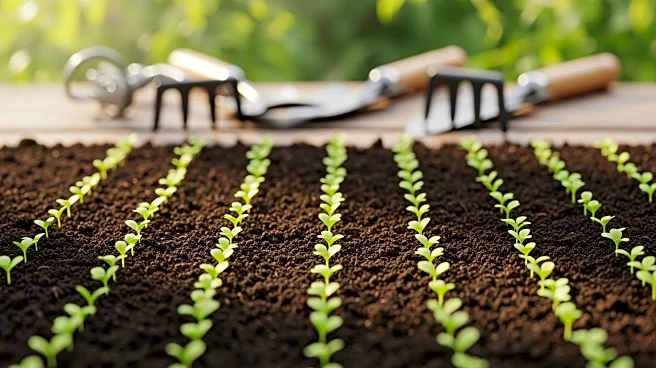
The Illinois Department of Agriculture (IDOA) is inviting individuals and families to apply for plots in the 2026 IDOA Community Garden, located at the Illinois State Fairgrounds. This initiative offers 200 individual 10x10 plots, split evenly between
organic and non-organic gardening, to accommodate gardeners of all experience levels. The program aims to enhance access to fresh produce and empower families to participate in their own food security. Each plot is available for $20, with additional charges for tilling services. Water and compost are provided free of charge. Interested participants are encouraged to attend an open house on February 17 at the Illinois Department of Agriculture Auditorium in Springfield, where they can learn more about the program and submit applications. Applications are also available online and must be submitted by March 2 for returning gardeners wishing to reserve their previous plots. Weather permitting, the garden will open on March 10.
Why It's Important?
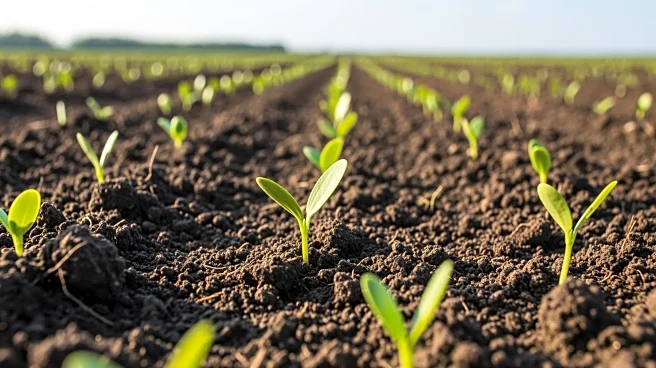
The IDOA Community Garden initiative is significant as it addresses food security and promotes sustainable agriculture practices. By providing affordable access to gardening plots, the program supports local food production and reduces barriers for those with limited yard space. This initiative not only fosters community engagement but also encourages healthier eating habits by increasing the availability of fresh, locally grown produce. Additionally, the program aligns with broader efforts to promote environmental sustainability and self-sufficiency in food production, which are critical in addressing challenges related to food deserts and the environmental impact of large-scale agriculture.
What's Next?
As the application process unfolds, the IDOA will likely focus on ensuring a smooth allocation of plots and preparing the garden for the upcoming season. Participants can expect further communication regarding plot assignments and any additional guidelines for the gardening season. The open house on February 17 will serve as a key opportunity for prospective gardeners to engage with the program coordinators, ask questions, and finalize their participation. The success of this initiative could lead to expanded programs or similar projects in other regions, further promoting community-based agriculture.