


What's Happening?
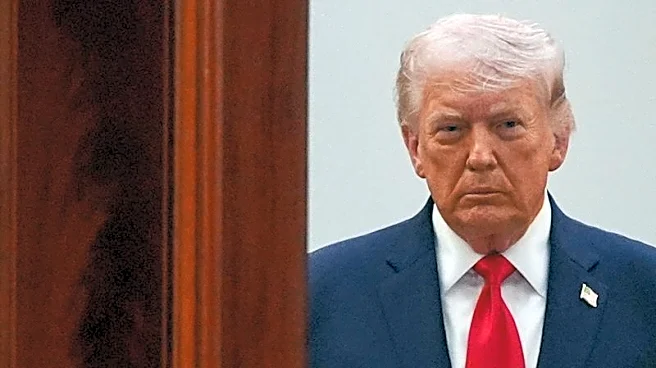
President Trump has issued a proclamation to enhance tariffs on imported steel, aluminum, and copper, aiming to address national security threats posed by these imports. The tariffs, set at 50% for products made entirely or almost entirely of these metals,
are part of a broader strategy to revitalize domestic manufacturing. The move is expected to boost U.S. steel production, with new plants being built and existing facilities expanding. The policy is designed to ensure that domestic producers can compete fairly against foreign imports, thereby strengthening the economic resilience of vital industries and supporting American workers.
Why It's Important?
The strengthened tariffs are significant as they aim to protect and revitalize critical U.S. industries, such as steel and aluminum manufacturing, which are vital for national security. By imposing higher tariffs, the administration seeks to encourage domestic production and reduce dependency on foreign imports. This policy could lead to increased investment in U.S. manufacturing, creating jobs and boosting the economy. However, it may also lead to higher costs for industries reliant on these metals, potentially affecting consumer prices and international trade relations.
What's Next?
The implementation of these tariffs is expected to continue influencing U.S. trade policy and economic strategy. The administration may face challenges from international trade partners and potential legal disputes over the tariffs' impact on global trade agreements. Domestically, industries may need to adapt to the new cost structures, and there could be further policy adjustments to address any unintended economic consequences.