
What's Happening?
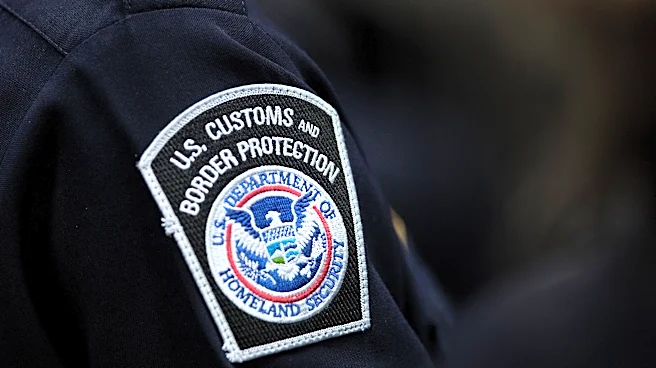
The Trump administration has initiated a refund system for businesses that paid tariffs deemed unconstitutional by the Supreme Court. This system, managed by the U.S. Customs and Border Protection (CBP),
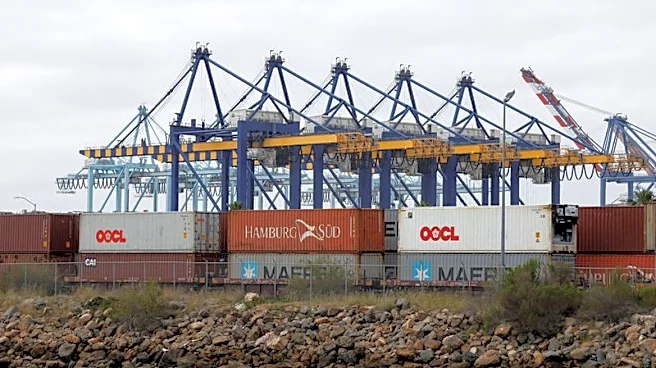
allows importers and brokers to claim refunds through an online portal. The Supreme Court had previously ruled that the Trump administration overstepped its constitutional powers by imposing these tariffs, which amounted to $166 billion across more than 53 million shipments. The refund process is expected to take 60-90 days once a claim is approved. Over 3,000 businesses, including major companies like FedEx and Costco, have filed lawsuits seeking refunds. The system marks the first step in potentially reimbursing consumers who were indirectly affected by these tariffs.
Why It's Important?
This development is crucial as it addresses the financial impact of tariffs on U.S. businesses and consumers. The refund system could alleviate some of the economic burdens faced by companies that paid these tariffs, potentially leading to lower prices for consumers if businesses pass on the savings. The Supreme Court's decision underscores the importance of adhering to constitutional limits on executive power, particularly in trade policy. The outcome of this refund process could influence future trade negotiations and tariff implementations, affecting U.S. economic relations and market dynamics.
What's Next?
As the refund system rolls out, businesses will be closely monitoring the efficiency and effectiveness of the process. The CBP's handling of claims will be scrutinized, and any delays or issues could lead to further legal challenges. Additionally, the broader implications for U.S. trade policy will be considered, as stakeholders assess the impact of the Supreme Court's ruling on future tariff decisions. The situation may also prompt discussions on legislative reforms to clarify the scope of executive authority in trade matters.