
What's Happening?
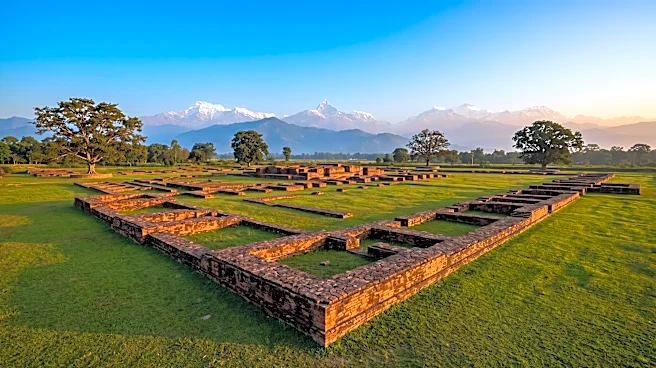
The World Bank is financing the Greater Lumbini Area Development Project, an initiative led by the Government of Nepal. This project aims to protect the Greater Lumbini Area, which includes significant
historical sites such as Tilurakot, Devdaha, Ramgram, and Lumbini, the birthplace of Buddha and a UNESCO World Heritage Site. Beyond heritage preservation, the project focuses on improving tourism-related infrastructure, enhancing the visitor experience, and creating sustainable growth and job opportunities for local communities. Elad Shenfeld of the World Bank Group emphasized the project's goal to unlock Lumbini's tourism potential, ensuring that tourism growth benefits local businesses and residents while safeguarding the area's cultural and spiritual values. The project also involves archaeological studies, research, and excavation, with the Lumbini Development Trust assigned to protect and amplify these sites, ensuring that new infrastructure does not negatively impact the archaeological remains.
Why It's Important?
This project is crucial for Nepal's economic development and cultural preservation. By investing in tourism infrastructure and heritage protection, the World Bank and the Government of Nepal are working to create a sustainable economic engine for the region. The initiative directly addresses the challenge of job creation and local business support, which are vital for improving livelihoods in the area. For the U.S., supporting such projects through its contributions to the World Bank aligns with its foreign policy objectives of promoting stability, economic growth, and cultural understanding globally. The preservation of a UNESCO World Heritage Site like Lumbini also holds international significance, contributing to the shared global heritage and fostering cross-cultural appreciation. The project's emphasis on balancing development with archaeological preservation sets a precedent for responsible tourism and heritage management in other culturally rich regions worldwide.
What's Next?
The Greater Lumbini Area Development Project is currently focused on identifying suitable locations for new visitor infrastructure that will not disturb the underlying archaeological remains. This involves careful planning and collaboration between the Government of Nepal, the World Bank, and archaeological experts. The project aims to transform the Greater Lumbini Buddhist Circuit into a sustainable, inclusive, and competitive cultural tourism destination. This transformation is expected to encourage longer stays and higher spending by visitors, leading to stronger economic benefits for local communities. Ongoing efforts will include archaeological studies, research, and excavation, guided by the Lumbini Development Trust, to ensure the long-term protection of the site. The success of this project could serve as a model for future heritage-based development initiatives, demonstrating how cultural preservation and economic growth can be mutually reinforcing.
Beyond the Headlines
The project in Lumbini delves into the complex interplay between economic development, cultural heritage, and environmental sustainability. The challenge of building modern tourism infrastructure without compromising ancient archaeological sites highlights a universal dilemma faced by many developing nations rich in history. The ethical dimension of preserving finite archaeological resources for future generations, as articulated by Mark Manueal of Durham University, underscores the project's profound long-term implications. This initiative is not just about tourism; it's about defining a model for respectful engagement with sacred and historical landscapes. It also touches upon the cultural significance of Lumbini as the birthplace of Buddha, making its preservation a matter of global spiritual importance. The project's success could foster a deeper understanding of how international cooperation can facilitate both economic upliftment and the safeguarding of invaluable human heritage, influencing future policies on cultural tourism and sustainable development.