


What's Happening?
The U.S. State Department has announced a suspension of immigrant visa processing for 75 countries, effective January 21, as part of a broader effort to reassess vetting procedures under existing immigration laws. This move is aimed at applicants deemed
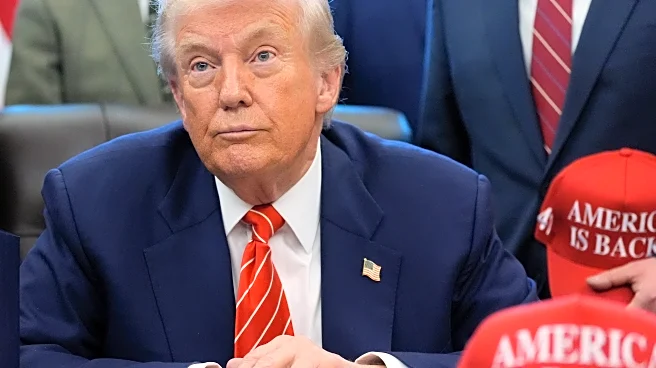
likely to become a 'public charge,' a term used to describe individuals who may rely on public benefits. The suspension will not affect non-immigrant visas, such as temporary tourist or business visas, which constitute the majority of visa applications. The decision comes as the U.S. prepares to co-host the 2026 World Cup, with exemptions in place for athletes and related personnel. The countries affected include Somalia, Russia, Afghanistan, Brazil, Iran, Iraq, Egypt, Nigeria, Thailand, and Yemen. This policy shift follows recent criticisms by President Trump of Somali immigrants and the termination of Temporary Protected Status (TPS) for Somalis, which could impact approximately 2,400 individuals.
Why It's Important?
The suspension of visa processing for these countries could have significant implications for U.S. immigration policy and international relations. By targeting countries with high numbers of applicants potentially reliant on public benefits, the administration aims to reduce the perceived economic burden on the U.S. This move may strain diplomatic ties with the affected nations and impact families and individuals seeking to immigrate to the U.S. for better opportunities. The policy also reflects the administration's broader immigration strategy, which has been characterized by increased scrutiny and restrictions. The decision could lead to legal challenges and public debate over the fairness and humanitarian impact of such measures.
What's Next?
As the State Department reassesses its immigration processing procedures, there may be further policy announcements or adjustments. The affected countries and immigrant advocacy groups are likely to respond, potentially challenging the suspension in court. The U.S. government may face pressure to justify the criteria used to determine which countries are included in the suspension. Additionally, the upcoming 2026 World Cup could influence the administration's approach to visa policies, especially concerning international visitors and participants.