




What's Happening?
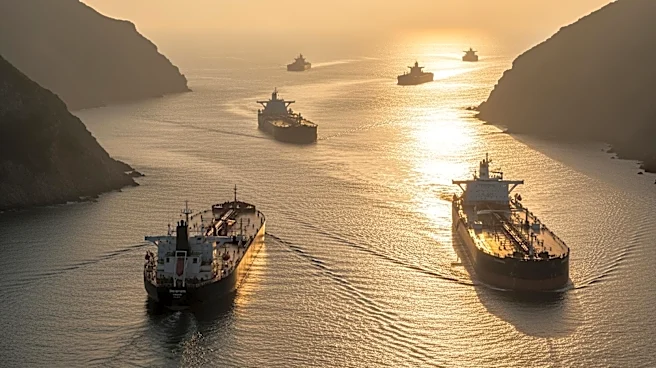
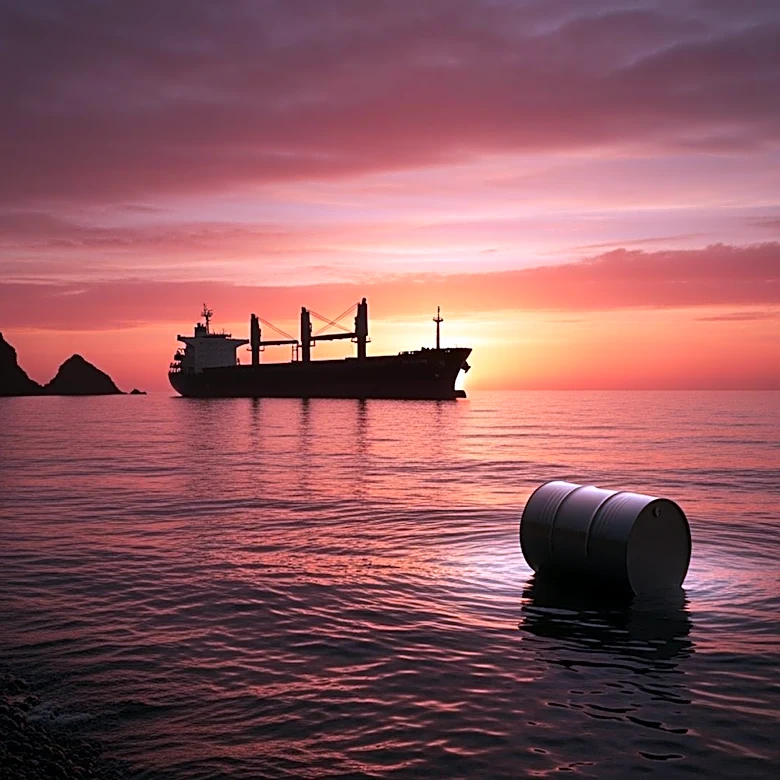
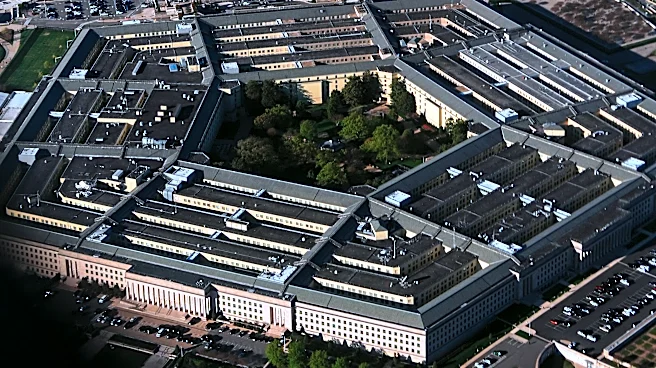
China has expressed concern over the U.S. military's decision to blockade the Strait of Hormuz, a critical passage for global oil and gas supplies, following unsuccessful peace talks between the U.S. and Iran. The blockade, announced by the U.S. Central
Command, aims to restrict maritime traffic to and from Iranian ports. China, a major importer of Iranian oil, has urged all parties to exercise restraint and adhere to diplomatic solutions to resolve the crisis. Chinese Foreign Minister Wang Yi emphasized that the blockade does not align with the interests of the international community and called for a comprehensive ceasefire through political means. China has also denied allegations of supplying weapons to Iran, labeling them as unfounded smears.
Why It's Important?
The blockade of the Strait of Hormuz by the U.S. military could significantly impact global oil markets, as the strait is a vital conduit for about 20-25% of global seaborne oil and LNG trade. This action may lead to increased tensions in the region, affecting international relations and economic stability. China's call for restraint highlights the potential for diplomatic engagement to prevent further escalation. The situation underscores the geopolitical complexities surrounding U.S.-Iran relations and the strategic importance of the Strait of Hormuz. The blockade could also influence global energy prices and supply chains, affecting economies worldwide.
What's Next?
The international community is likely to monitor the situation closely, with potential diplomatic efforts aimed at resolving the blockade and easing tensions. Stakeholders, including Gulf Arab states and major oil-importing countries, may seek to mediate or influence negotiations to ensure the stability of oil supplies. The U.S. may face pressure to reconsider its approach, while China and other nations could play a role in facilitating dialogue. The outcome of these efforts will be crucial in determining the future of regional stability and global energy markets.
Beyond the Headlines
The blockade raises questions about the balance between military actions and diplomatic solutions in international conflicts. It highlights the role of major powers like China in advocating for peaceful resolutions and their influence in global geopolitics. The situation also reflects broader issues of trust and negotiation dynamics between the U.S. and Iran, with implications for future diplomatic engagements. The strategic importance of the Strait of Hormuz as a global energy chokepoint underscores the need for international cooperation to maintain open and secure maritime routes.