



What's Happening?
China has released its 'No. 1 Document,' a rural policy blueprint aimed at stabilizing grain and oilseed output while diversifying agricultural imports. This initiative is part of China's strategy to ensure food security amid trade tensions with major
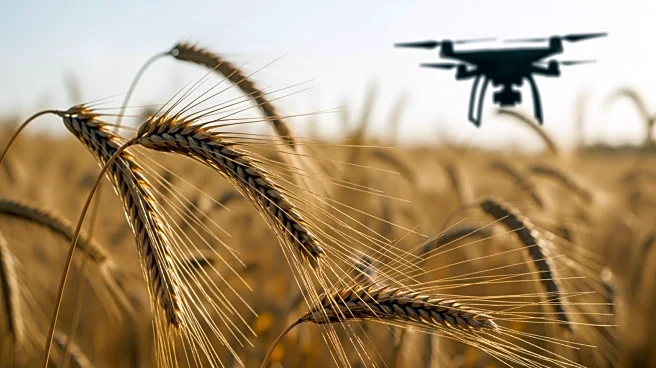
suppliers like the U.S. and Canada. The document highlights the importance of diversification in the food system and agricultural imports, aiming to reduce reliance on traditional exporters. It also outlines plans to enhance agricultural innovation through investments in machinery, seed technology, and biotech cultivation. The policy reflects China's efforts to build a more resilient food system capable of withstanding shocks such as natural disasters and trade wars.
Why It's Important?
China's focus on diversifying its agricultural imports and enhancing agri-tech innovation has significant implications for global trade, particularly for countries like the U.S. that have been major suppliers of agricultural products to China. By reducing its dependency on U.S. soybeans and other imports, China aims to strengthen its food security and mitigate the impact of trade disputes. This shift could lead to changes in global agricultural markets, affecting prices and trade flows. Additionally, China's emphasis on agri-tech innovation could position it as a leader in sustainable agriculture, influencing global standards and practices.
What's Next?
As China implements its 'No. 1 Document,' it is likely to increase investments in domestic agricultural production and technology. This could lead to the development of new partnerships and trade agreements with countries in the Global South, further diversifying its import sources. The U.S. and other traditional exporters may need to adapt to these changes by exploring new markets and enhancing their competitiveness. Additionally, China's focus on agri-tech innovation may drive advancements in agricultural practices and technologies, potentially setting new benchmarks for the industry.