
What's Happening?
Biosecurity New Zealand has successfully implemented advanced radio tracking technology to combat the invasive yellow-legged hornets (Vespa velutina) in Auckland. The technology, which involves attaching
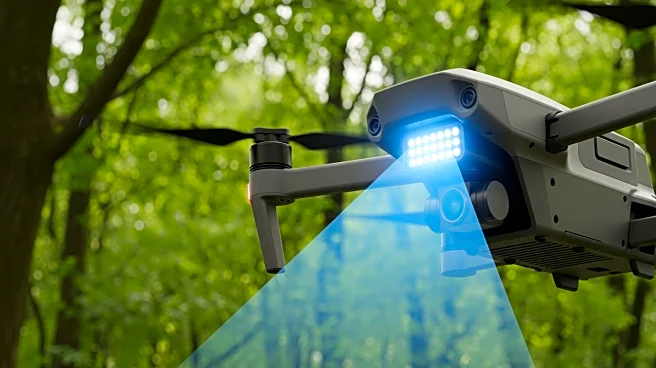
tiny transmitters to hornets, has enabled the tracking of their flight paths back to nests, leading to the discovery and destruction of several nests. This initiative is part of a broader eradication effort that includes public engagement and international collaboration. The use of thermal drones and public reporting has further supported the operation, with significant community involvement in setting traps and monitoring hornet activity.
Why It's Important?
The eradication of yellow-legged hornets is crucial for protecting New Zealand's biodiversity and agriculture, as these pests pose a threat to native species and crops. The successful deployment of tracking technology demonstrates the potential for innovative solutions in pest management, which could be applied to similar challenges globally. The operation highlights the importance of international cooperation and community involvement in addressing environmental threats. The outcome of this initiative could influence future biosecurity strategies and policies, emphasizing the role of technology in environmental conservation.
What's Next?
Biosecurity New Zealand will continue to deploy tracking technology and conduct ground surveillance to locate and destroy remaining hornet nests. The operation will expand as summer progresses, with a focus on preventing the establishment of new nests. Ongoing public awareness campaigns and international collaboration will be essential in maintaining momentum and ensuring the success of the eradication effort. The lessons learned from this initiative could inform future biosecurity measures and pest management strategies in New Zealand and beyond.