







What's Happening?
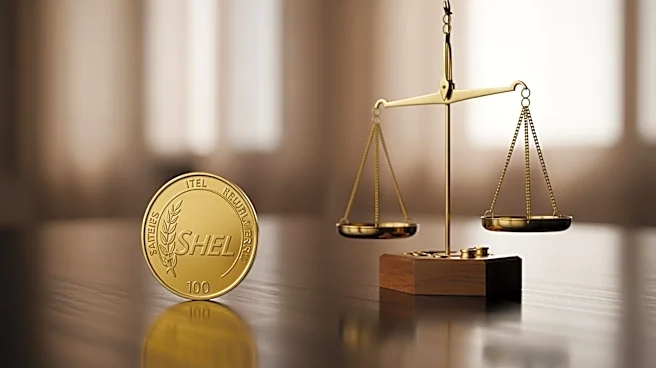
The Israeli shekel has appreciated significantly against the dollar and euro over the past two years, posing challenges for Israeli exporters. As of the latest data, the dollar is valued at 2.81 shekels, down from 3.72 shekels in June 2024, marking a 25%
decrease. Similarly, the euro has fallen by 19% against the shekel. This currency shift means exporters receive fewer shekels for their goods, impacting their revenue. The Bank of Israel, led by Governor Amir Yaron, is considering options to address this issue. These include purchasing dollars to influence the exchange rate, cutting interest rates to make shekel investments less attractive, or taking no action, each with its own set of consequences.
Why It's Important?
The appreciation of the shekel affects the competitiveness of Israeli exports, as exporters must raise prices to maintain revenue, risking loss of market share. The Bank of Israel's decision on how to respond could have significant implications for the Israeli economy. A strong shekel, while beneficial for controlling inflation, can lead to slower economic growth and increased unemployment if exports decline. The central bank's actions will also influence financial markets and investor behavior, potentially affecting the broader economic landscape.
What's Next?
The Bank of Israel must weigh its options carefully. Direct intervention by purchasing dollars could stabilize the shekel but may not lead to significant depreciation. Cutting interest rates could weaken the shekel but might also disrupt other economic sectors. If no action is taken, the shekel's continued appreciation could further strain exporters and impact economic growth. The central bank's decision will be closely watched by financial markets and could set a precedent for future monetary policy.