







What's Happening?
Researchers at the University of Bergen and the Bjerknes Centre for Climate Research, led by Eurico Noleto-Filho, have developed a new interactive dashboard to monitor and analyze global media coverage of the El Niño weather phenomenon. The tool combines
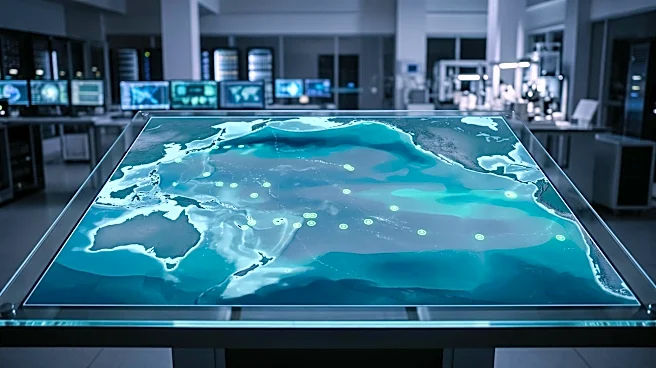
news reporting from over 100 languages, indexed by The GDELT Project, with natural disaster records from the Global Disaster Alert and Coordination System (GDACS), a collaboration between the United Nations and the European Commission. This dashboard allows users to compare media attention with actual disaster events, such as floods, droughts, wildfires, and cyclones, which are displayed as green rings on a world map. The platform aims to provide a clearer, global picture of El Niño's impact, addressing the common issue of news coverage focusing primarily on local events. It also incorporates an AI tool to summarize news coverage and offers various filters to explore reporting trends across countries, languages, and regions, as well as environmental overlays like sea surface temperature, clouds, wind, and rainfall.
Why It's Important?
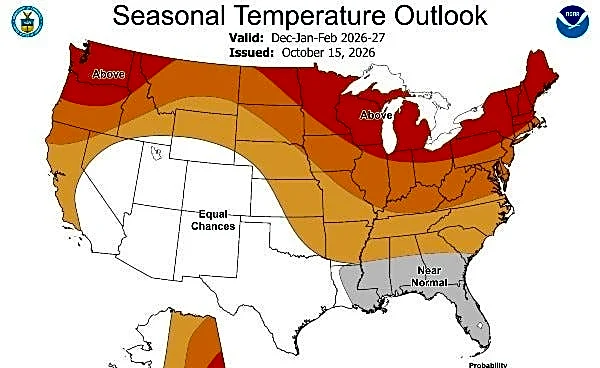
This interactive dashboard is important for several reasons, particularly in the context of climate communication and risk preparedness. By integrating global media coverage with real-world disaster data, it highlights potential discrepancies between what is reported and what is actually happening on the ground. This can reveal instances of underreported events or regions, which is crucial for organizations involved in disaster relief and climate adaptation. For the U.S., understanding global media narratives around El Niño can inform national climate policies, resource allocation for disaster preparedness, and public awareness campaigns, especially given El Niño's widespread impacts, including potential changes in weather patterns across North America. Researchers, journalists, and policymakers can use this tool to identify how different regions experience and portray the same climate event, fostering a more comprehensive understanding of its global scale and diverse consequences. This enhanced understanding can lead to more effective risk communication strategies and better-informed decisions to mitigate the effects of climate-related hazards.
What's Next?
The dashboard is designed to be continuously updated, with news and disaster data refreshed daily, providing an ongoing picture of both events and media attention. Future developments could involve expanding the scope of climate phenomena tracked or integrating more sophisticated AI analysis for deeper insights into media framing and public sentiment. The tool's open accessibility suggests it will continue to serve as a valuable resource for researchers, journalists, communication advisers, and students interested in climate communication, media studies, and climate risks. As the current strong El Niño unfolds, the dashboard will offer real-time insights into how the world is discussing and experiencing this significant climate pattern. Stakeholders, including government agencies, non-profits, and media organizations, are likely to increasingly utilize such tools to refine their communication strategies and improve global coordination in response to climate events.
Beyond the Headlines
Beyond its immediate utility, this dashboard addresses a fundamental challenge in climate discourse: the fragmentation of information and the difficulty in perceiving the global interconnectedness of climate events. By bringing together diverse local stories into a single, accessible platform, it encourages a more holistic understanding of El Niño's impacts, moving beyond localized narratives. This initiative also underscores the growing role of technology, particularly AI, in synthesizing vast amounts of data to make complex global phenomena more comprehensible. Ethically, the tool promotes transparency in media reporting by allowing users to critically assess whether media attention aligns with the severity and distribution of actual disasters. This can foster greater accountability in news coverage and help combat misinformation or selective reporting on climate issues. Culturally, it highlights how different societies perceive and communicate about climate change, offering insights into varying levels of awareness, concern, and preparedness across the globe.