







What's Happening?
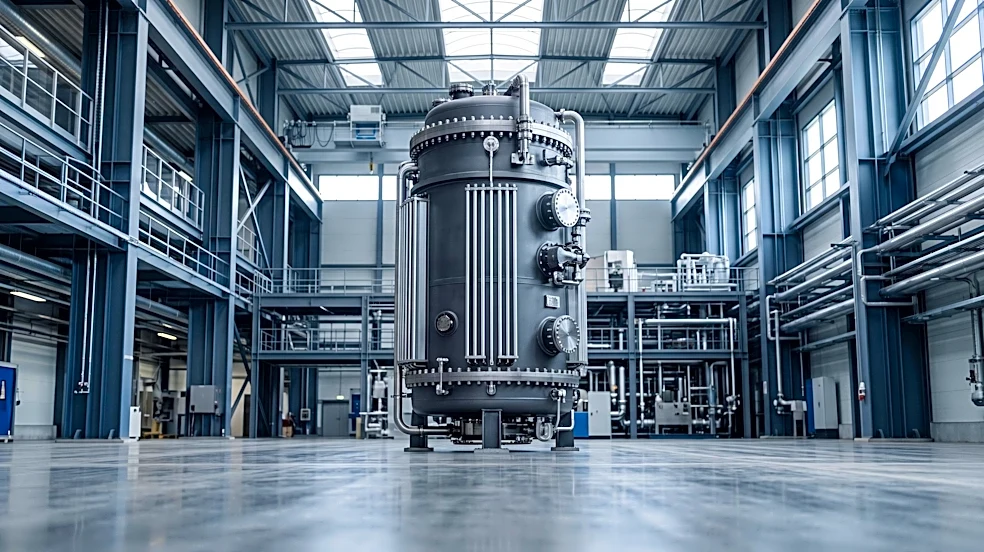
South Korea's ambition to lead in small modular reactor (SMR) technology is being hampered by its own nuclear safety regulator. Despite having highly competitive SMR designs, such as the innovative SMR (i-SMR) and SMART100, which rank among the best globally,
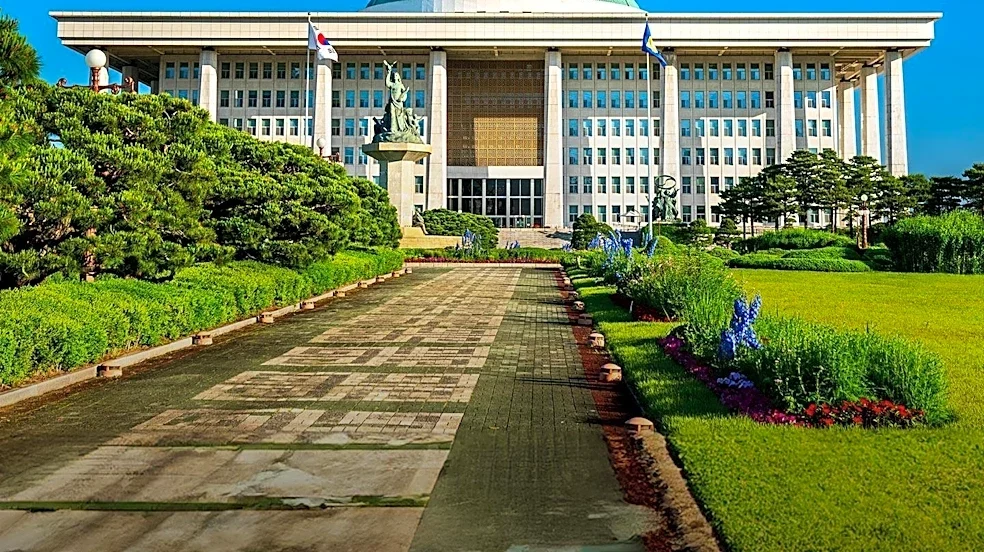
the Nuclear Safety and Security Commission (NSSC) lacks the updated standards and staffing to approve these advanced designs efficiently. The current regulatory framework is primarily designed for large light-water reactors, making it unsuitable for newer SMRs that utilize different fuel forms and coolants. The NSSC does not expect to have new SMR review standards and methodologies in place until 2032, creating a significant bottleneck. This delay is critical as developers plan to file construction permit applications as early as 2028 and 2029, meaning they face years of waiting for the necessary regulatory guidelines. The NSSC also faces a severe staffing shortage, with a single temporary unit handling SMR licensing and insufficient personnel to review the growing queue of advanced designs.
Why It's Important?
This regulatory lag poses a substantial threat to South Korea's strategic goals in energy independence and its global competitiveness in the nuclear sector. The country is betting on SMRs to meet the surging electricity demand from its leading semiconductor and artificial intelligence industries, with policy targets aiming for 700 MW of domestic SMR capacity by 2035. The inability to license these advanced reactors domestically on a predictable timeline undermines South Korea's export credibility, as international buyers rely on a vendor's home country approval record as a signal of safety and reliability. This situation could cause South Korea to fall behind competitors like the U.S. and UK, which have proactively built regulatory capacity for advanced reactors. The delay also represents a significant economic opportunity cost, hindering investments in the South Korean nuclear industry and the creation of domestic jobs and payrolls.
What's Next?
The immediate challenge for South Korea is to accelerate the development of new regulatory standards and significantly increase the NSSC's staffing and funding. Interministerial talks on funding NSSC positions were pushed to the second half of 2026, meaning any approved funding and subsequent hiring would not occur until 2027. This timeline is still too slow to meet industry demands. Developers of SMRs will continue to push for faster regulatory processes, potentially exploring international partnerships or investments in countries with more streamlined approval systems. For instance, South Korean firms are already investing in U.S. advanced reactor developers like TerraPower, indicating a shift of capital to where regulatory paths are clearer. The government will need to prioritize this issue to prevent its advanced SMR technology from being sidelined in the global market.
Beyond the Headlines
The situation in South Korea highlights a critical global challenge in the energy transition: regulatory frameworks often struggle to keep pace with rapid technological innovation. While engineers are designing cutting-edge nuclear technologies, the bureaucratic and technical processes for ensuring their safety and approving their deployment can lag significantly. This creates a paradox where a nation can be a leader in nuclear engineering but a laggard in commercializing its own innovations. The broader implication is that without agile and forward-thinking regulatory bodies, even the most promising clean energy technologies may face substantial delays in contributing to climate goals and energy security. This also raises questions about international regulatory harmonization and whether a more collaborative approach could accelerate the safe deployment of advanced nuclear technologies worldwide.