






What's Happening?
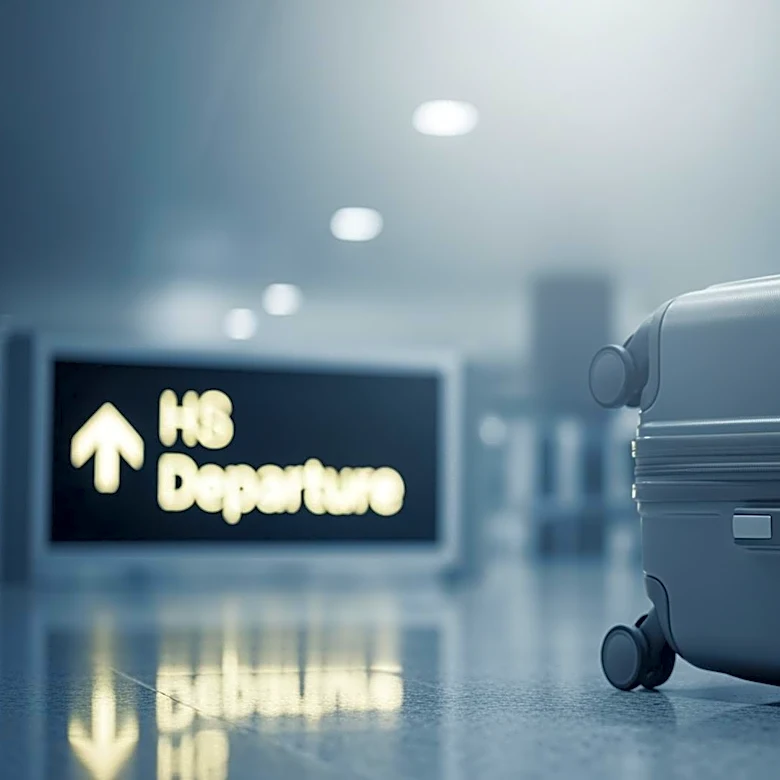
The Trump administration is considering plans to stop immigration and customs processing at airports located in cities run by the Democratic Party, known as 'sanctuary cities.' This move is part of a broader effort to enforce stricter immigration policies.
Homeland Security Secretary Markwayne Mullin announced that plans are being drawn up, although no final decision has been made. The proposed action targets cities that have not cooperated with federal immigration enforcement, potentially halting international passenger and cargo arrivals at major airports in these areas. This development comes as millions of foreign tourists are expected to visit the U.S. for the FIFA World Cup. The administration's stance has faced opposition from within, including Transport Secretary Sean Duffy, who argued against restricting travel based on political views.
Why It's Important?
The proposed halt in immigration processing at sanctuary city airports could have significant economic repercussions. The travel and tourism industries, which rely heavily on international visitors, could face severe disruptions. Airlines and tourism groups have expressed concerns that reducing Customs and Border Protection (CBP) staffing at major airports would lead to operational challenges, affecting carriers, travelers, and the flow of international cargo. The move could also strain relations between federal and local governments, as sanctuary cities have been at odds with the Trump administration's immigration policies. The potential economic impact extends beyond the travel sector, affecting local economies that benefit from international tourism and trade.
What's Next?
If the Trump administration proceeds with these plans, it could lead to legal challenges from affected cities and industries. The travel industry, including major airlines and tourism associations, is likely to lobby against the implementation of such measures. Additionally, political leaders in sanctuary cities may seek to negotiate or challenge the federal government's authority to impose such restrictions. The situation could also influence upcoming political debates and elections, as immigration remains a contentious issue in U.S. politics. Stakeholders will be closely monitoring any official announcements or policy changes from the administration.