

What's Happening?
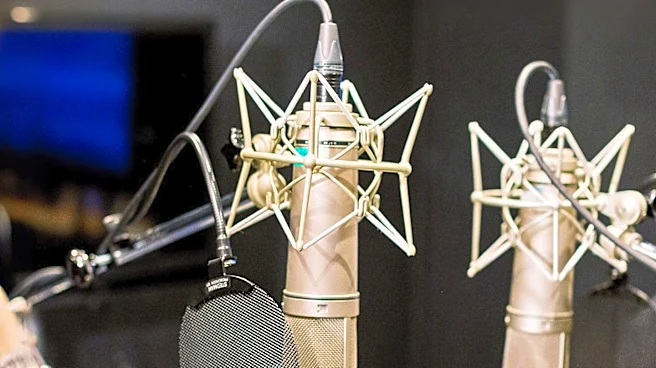
WFAE's 'Charlotte Talks with Mike Collins' program recently featured a discussion titled 'Veterans Day through an Indigenous lens.' The episode addressed the historical contributions of Indigenous people to the U.S. armed forces, noting that their efforts
have often been minimized and their cultural traditions disrespected. The discussion highlighted that as of 2022, over 160,000 Indigenous veterans serve across the country, yet they face significant challenges upon returning home, including social barriers, lower incomes, and higher unemployment rates. The program also mentioned that the Eastern Band of Cherokee Indians is breaking ground on North Carolina’s first tribal veterans cemetery, which would be the 15th such cemetery in the U.S., compared to nearly 160 recognized by the Department of Veterans Affairs. Guests included Nakia Arrington, Esq., a retired Marine Corps officer and enrolled citizen of the Lumbee Tribe; Ashley Lomboy, an Army veteran and Waccamaw Siouan; and John Hall, a professor of U.S. Military History at the University of Wisconsin-Madison.
Why It's Important?
This discussion on 'Charlotte Talks with Mike Collins' is crucial for bringing attention to the often-overlooked contributions and challenges faced by Indigenous veterans in the United States. By highlighting the disparities in support and recognition, the program underscores the need for greater awareness and policy changes to address the unique issues these veterans encounter. The establishment of tribal veterans cemeteries, such as the one in North Carolina, signifies a growing movement to honor Indigenous service members in a culturally appropriate manner. This initiative not only provides a dedicated resting place but also acknowledges the distinct cultural identities and traditions of Indigenous communities within the broader context of military service. The conversation helps to bridge gaps in understanding and promotes a more inclusive narrative of American military history.
What's Next?
The ongoing efforts to establish more tribal veterans cemeteries and to address the social and economic challenges faced by Indigenous veterans are expected to continue. Discussions like those on 'Charlotte Talks' contribute to public discourse and can influence policy decisions at local, state, and federal levels. Increased awareness may lead to improved support services, better access to healthcare, and enhanced employment opportunities for Indigenous veterans. The continued advocacy by organizations and individuals, including those featured on the program, will be vital in ensuring that the contributions of Indigenous service members are fully recognized and that their needs are adequately met. Educational initiatives focusing on Indigenous military history are also likely to expand.
Beyond the Headlines
The conversation about Indigenous veterans extends beyond mere recognition; it delves into deeper issues of historical justice, cultural preservation, and systemic inequalities. The minimization of Indigenous contributions to the armed forces reflects a broader pattern of historical marginalization. By bringing these stories to the forefront, programs like 'Charlotte Talks' challenge dominant narratives and encourage a more comprehensive understanding of American history. The focus on cultural traditions and the establishment of tribal cemeteries highlight the importance of respecting diverse cultural practices within national institutions. This dialogue is essential for fostering a more equitable and inclusive society, where the sacrifices of all communities are acknowledged and honored in ways that resonate with their unique identities.