






What's Happening?
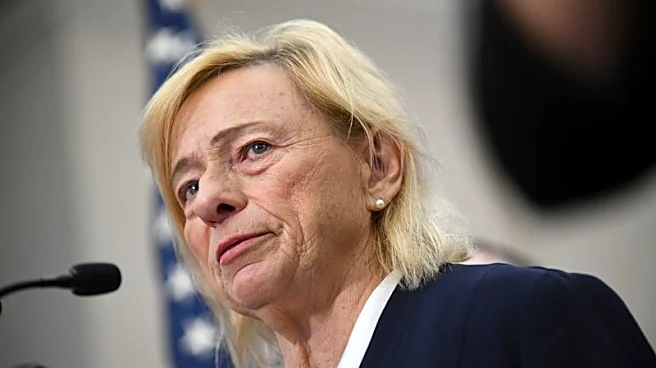
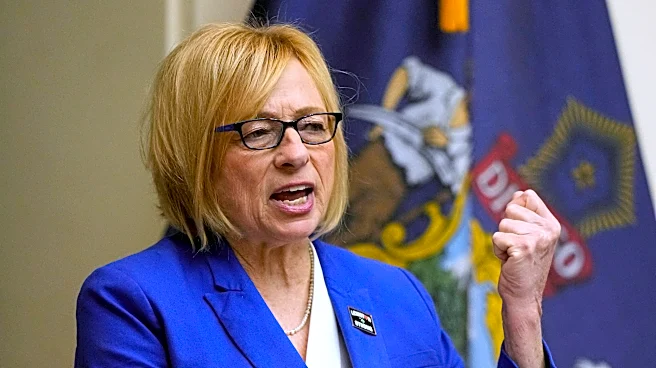
Governor Janet Mills has suspended her campaign for the U.S. Senate, leaving Graham Platner as the leading Democratic candidate to challenge Republican incumbent Susan Collins. Platner, backed by progressive figures, has gained a significant lead over Collins in recent
polls. Mills' withdrawal is seen as a blow to centrist Democrats, as Platner's progressive stance may energize the Democratic base but also risks alienating moderates. The race is crucial for Democrats aiming to flip the Senate, with Maine being a key target due to its Democratic lean and Collins' previous electoral success.
Why It's Important?
The Maine Senate race is a critical battleground for control of the Senate. Platner's candidacy highlights the growing influence of progressive politics within the Democratic Party, potentially reshaping the party's strategy in key races. Collins, known for her bipartisan appeal, faces a tough re-election battle in a state that leans Democratic but values independent candidates. The outcome could signal broader national trends, particularly the viability of progressive candidates in traditionally moderate regions. The race also underscores the importance of financial resources in modern political campaigns, as evidenced by Mills' withdrawal.
What's Next?
With Mills out, Platner will focus on uniting the Democratic base and addressing concerns about his past controversies. Collins will likely emphasize her experience and bipartisan record to appeal to moderates and independents. Both campaigns will intensify efforts as they prepare for the general election, with significant national attention and funding expected. The race will serve as a key indicator of the political climate in the U.S., particularly the impact of progressive politics on traditionally centrist states.