






What's Happening?
The Trump administration, with support from the Federal Communications Commission (FCC) led by Chairman Brendan Carr, has banned the import of Chinese-made power inverters. This decision is part of a broader strategy to secure the U.S. power grid from foreign
influence, particularly from the Chinese Communist Party (CCP). Members of the Republican Study Committee (RSC), including Rep. Zach Nunn, have praised the move as essential for national security and energy independence. The ban follows concerns about Chinese technology being embedded in critical U.S. infrastructure, potentially posing security risks.
Why It's Important?
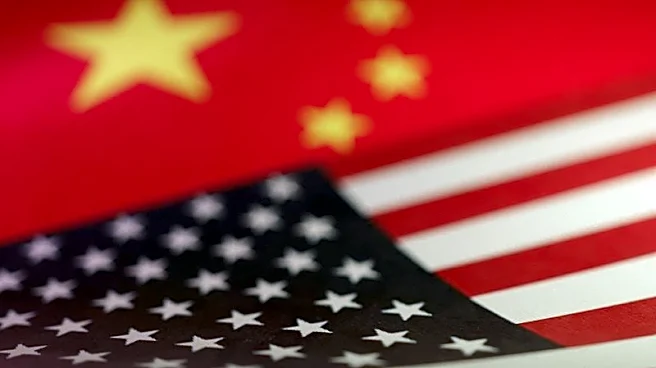
The ban on Chinese-made power inverters is a significant step in safeguarding U.S. national security and ensuring energy independence. By preventing potentially compromised technology from entering the U.S. power grid, the administration aims to reduce vulnerabilities that could be exploited by foreign adversaries. This action reflects ongoing tensions between the U.S. and China, particularly regarding technology and infrastructure security. It also underscores the importance of developing domestic manufacturing capabilities to reduce reliance on foreign technology.
What's Next?
The focus will likely shift to strengthening domestic production of power inverters and other critical technologies. Policymakers may push for further investments in American manufacturing to ensure a secure and independent energy supply chain. The decision may also prompt reactions from China and could influence future trade negotiations. Additionally, the move could impact U.S. businesses that rely on Chinese technology, necessitating adjustments in their supply chains.