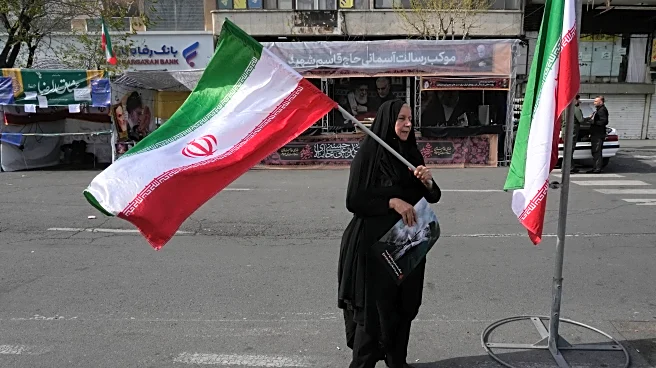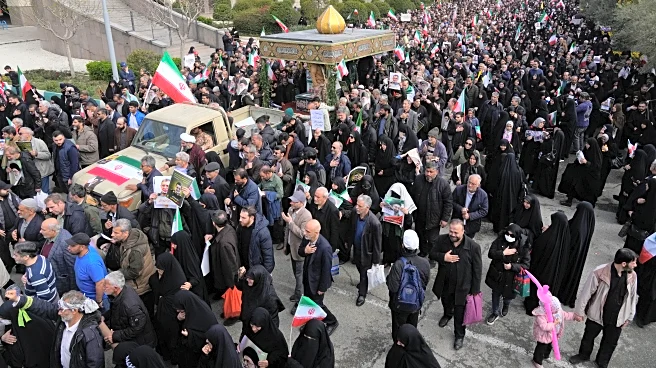



What's Happening?
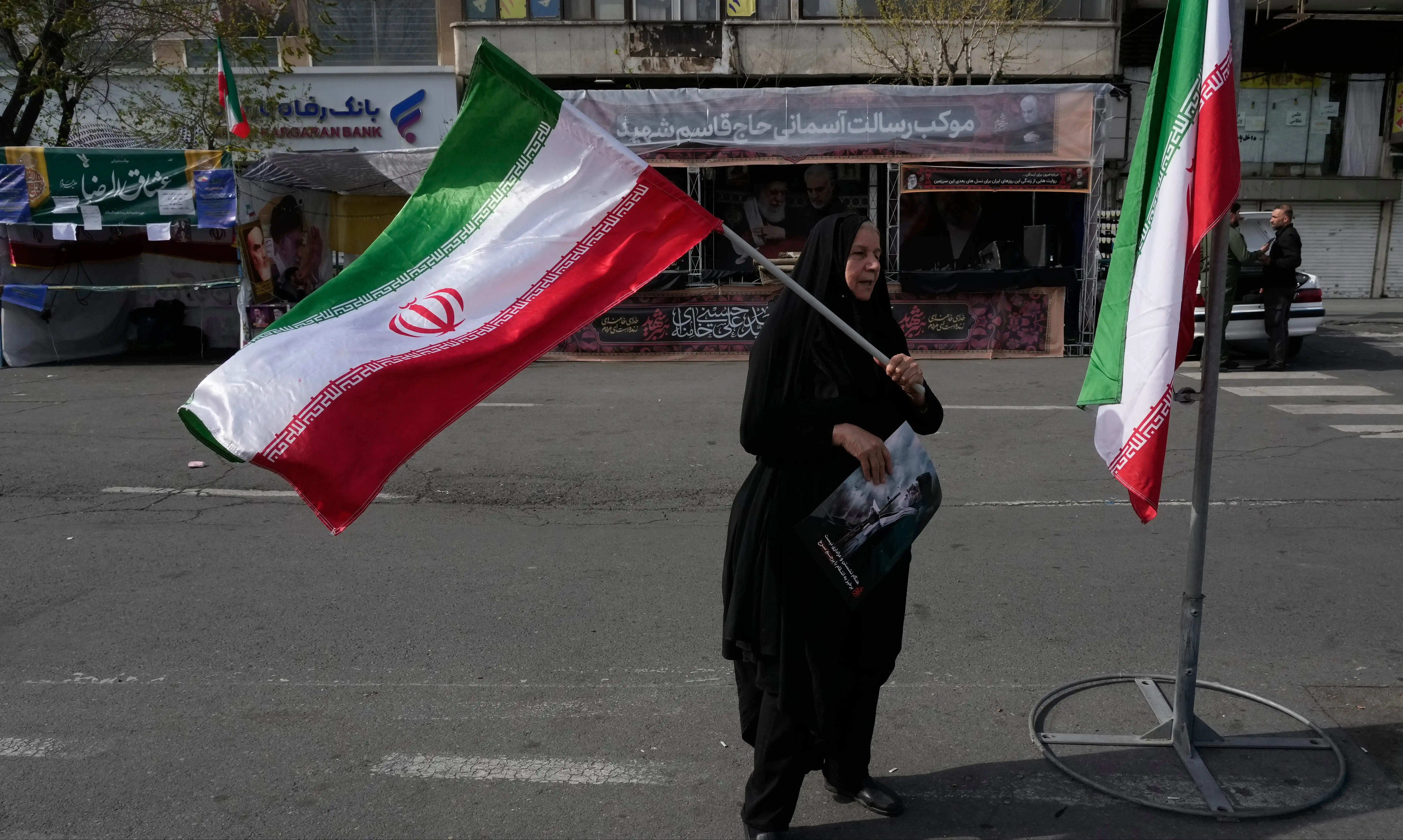
President Trump announced an extension of the deadline for Iran to reopen the Strait of Hormuz, delaying potential U.S. military strikes on Iranian power plants. This decision follows what Trump described as 'very good and productive conversations' with
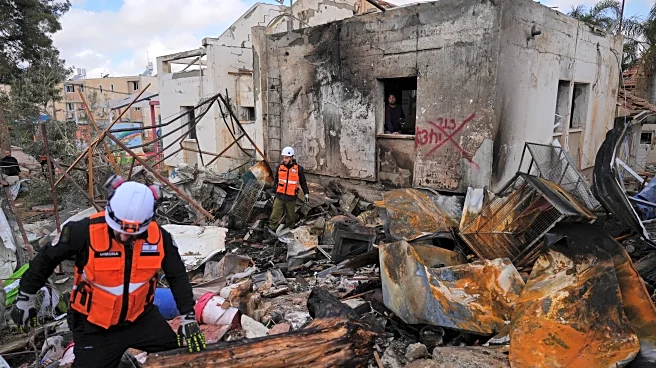
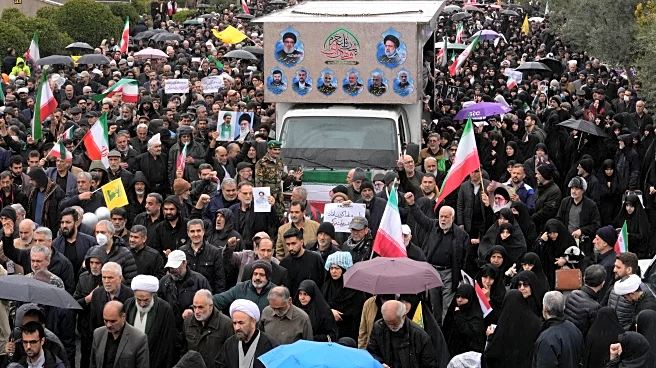
Iran, although Iran's foreign ministry denies any negotiations have occurred. The situation remains tense as Iran has threatened to mine the Persian Gulf and target regional power plants if the U.S. proceeds with military action. The conflict has already resulted in significant casualties and displacement in the region, with over 1,500 deaths reported in Iran and Lebanon. The U.N. peacekeeping force in Lebanon has also reported attacks on its headquarters, attributing them to non-state actors like Hezbollah.
Why It's Important?
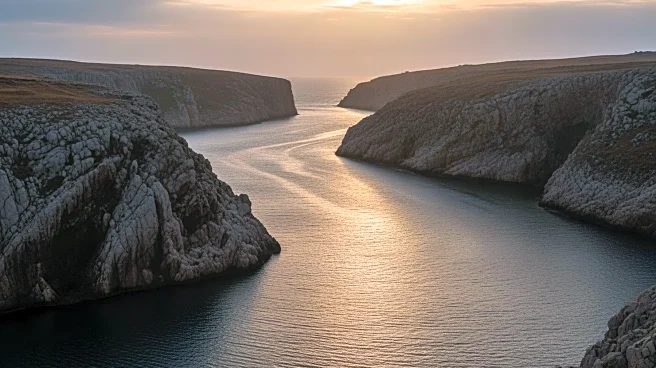
The extension of the deadline by President Trump is significant as it temporarily averts a potential escalation of military conflict in the Persian Gulf, a critical region for global energy supplies. The Strait of Hormuz is a vital chokepoint for oil transportation, and any disruption could have severe implications for global oil prices and economic stability. The ongoing tensions also highlight the fragile geopolitical dynamics in the Middle East, with potential impacts on international relations and security. The situation underscores the importance of diplomatic efforts to prevent further escalation and maintain regional stability.
What's Next?
The next steps involve continued diplomatic discussions, as indicated by President Trump, although Iran has denied any ongoing negotiations. The international community, including countries like Oman and China, is likely to continue efforts to mediate and de-escalate tensions. The U.S. and its allies will need to carefully navigate the situation to avoid further conflict, while monitoring Iran's actions in the region. The potential for military engagement remains if diplomatic efforts fail, which could lead to broader regional instability.