





What's Happening?
The Pentagon is developing plans to stockpile critical minerals, fuel, and munitions on U.S. soil to ensure operational continuity during a major conflict, even if domestic factories and power grids are disrupted. This initiative, known as FORTRESS America,
was formally established on September 30. It aims to protect supplies within the United States, reflecting concerns that American factories could become targets. The U.S. produces less than 1% of the most common type of rare-earth magnet it uses, and China, which dominates critical mineral processing, has repeatedly tightened rare-earth export controls, leaving American companies struggling for supply. U.S. Trade Representative Jamieson Greer recently pressed Chinese Vice Premier He Lifeng to fulfill commitments on rare earths and other critical minerals.
Why It's Important?
The U.S. military's reliance on foreign supply chains for critical minerals, particularly rare earths, poses a significant national security risk. China's control over these resources and its use of export controls can disrupt U.S. industrial production, as evidenced by a Ford plant idling due to rare-earth shortages. FORTRESS America aims to mitigate this vulnerability by building domestic reserves and funding domestic mining and processing capacity. This initiative is crucial for ensuring the U.S. defense industry can operate independently during conflicts and for maintaining technological superiority. The cost of this effort could reach hundreds of billions of dollars, highlighting the strategic importance and scale of the challenge.
What's Next?
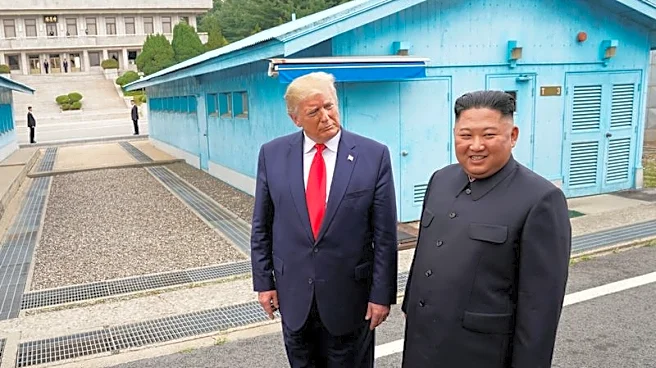
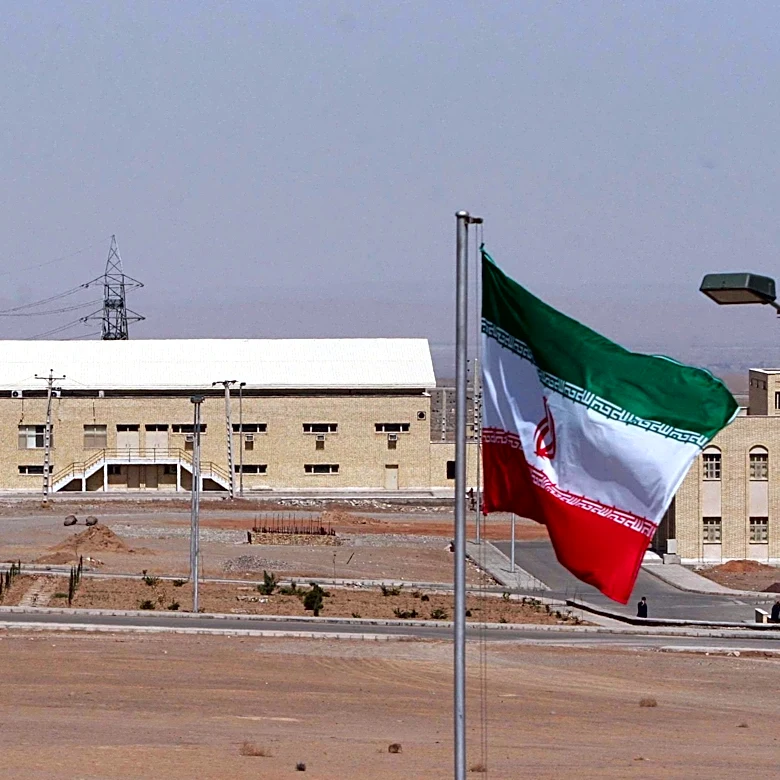
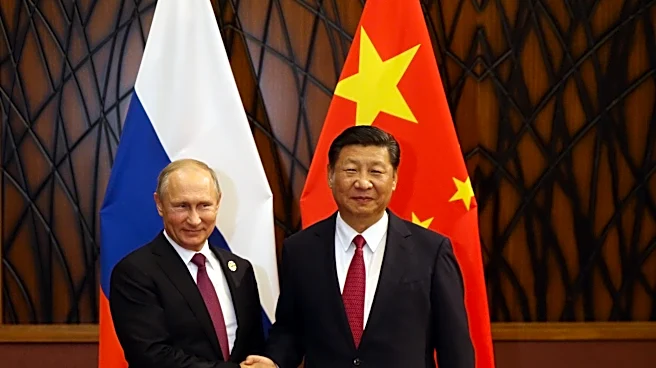
The Pentagon will continue to assess the costs and implement FORTRESS America, exploring public-private partnerships to fund the initiative. Efforts to build domestic mining and processing capacity for critical minerals will intensify, though analysts warn that achieving supply chain independence will take many years. A significant test looms on January 1, 2027, when federal rules require defense contractors to cease buying rare earths, magnets, and tungsten from China, Russia, Iran, and North Korea. Historically, waivers have been granted due to insufficient domestic supply, indicating the challenge of meeting this deadline. The success of FORTRESS America will depend on sustained investment and strategic planning to overcome current dependencies.
Beyond the Headlines
The Pentagon's focus on critical mineral stockpiles and domestic production reflects a broader shift in U.S. national security strategy. Beyond immediate military readiness, this initiative addresses the economic and geopolitical implications of relying on adversaries for essential resources. The potential for cyberattacks, sabotage, or other disruptions to U.S. critical infrastructure underscores the need for a resilient domestic supply chain. This strategic reorientation could lead to a significant transformation of the U.S. industrial base, fostering innovation in mining, processing, and recycling of critical minerals. It also highlights the ethical and environmental considerations associated with expanding domestic resource extraction, balancing national security needs with sustainable practices.