






What's Happening?
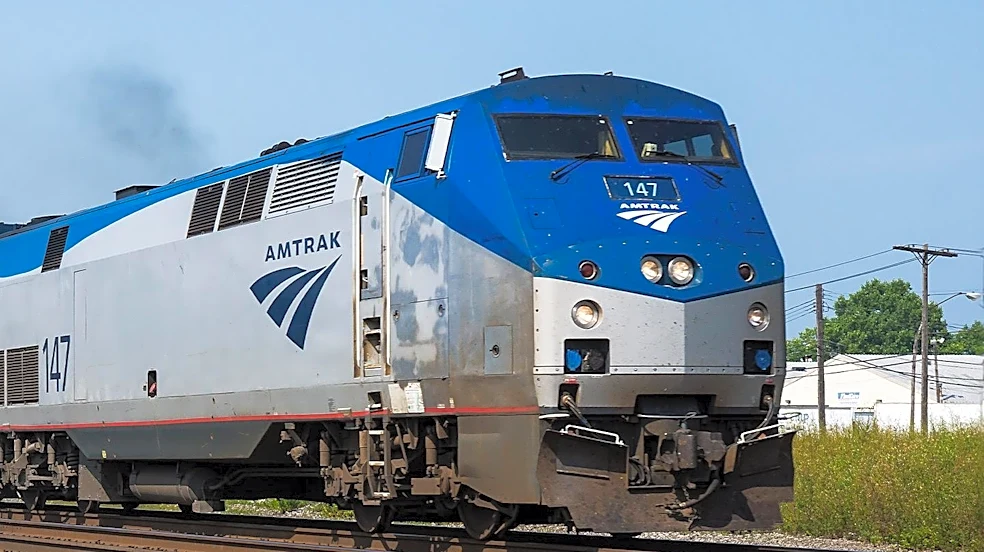
Lexington, Kentucky, currently does not have Amtrak passenger rail service, despite the state having an extensive rail network. While Kentucky has four Amtrak stops—Ashland, Maysville, South Portsmouth, and Fulton—these are located in the northeastern
and southwestern parts of the state, primarily serving the Cardinal line (Chicago to New York City) and a route between Chicago and New Orleans. Lexington historically had multiple passenger railroads and its own Union Station, but these services were discontinued, with the last passenger service by Louisville and Nashville ending in 1955. When Amtrak was created in 1970 through the Rail Passenger Service Act, Lexington was not included in its initial network. The primary reason for the absence of passenger rail in Lexington and many other parts of Kentucky is that the existing rail lines are predominantly used for freight. These freight tracks are often not built to handle the speeds required for passenger cars, and accommodating passenger trains would necessitate freight trains making room, which presents operational challenges.
Why It's Important?
The lack of Amtrak service in Lexington highlights a broader issue in U.S. transportation infrastructure: the decline of passenger rail outside of major corridors. This situation impacts Lexington's connectivity, potentially limiting travel options for residents and visitors who prefer or rely on rail transport. Economically, the absence of passenger rail can affect tourism and business travel, as it removes a convenient and often environmentally friendly mode of transportation. The dominance of freight rail on existing tracks underscores the historical prioritization of commercial logistics over passenger mobility in many regions. This also points to the significant investment and coordination required to reintroduce passenger rail, as it would involve upgrading infrastructure, negotiating with freight companies, and ensuring operational compatibility. The brief return of Amtrak to Louisville with the Kentucky Cardinal, which lasted only 19 months, further illustrates the challenges of sustaining passenger rail services in areas where demand or infrastructure support may be insufficient.
What's Next?
For Lexington to potentially regain Amtrak passenger rail service, significant changes would be required. This would likely involve substantial investment in upgrading existing freight rail lines to accommodate passenger train speeds and safety standards, or the construction of new dedicated passenger rail infrastructure. Negotiations with freight rail companies would be necessary to establish shared use agreements or dedicated time slots for passenger trains. Public and political will would also be crucial, as such projects often require considerable funding and long-term planning. While there are no immediate plans for Amtrak to return to Lexington, ongoing discussions about national infrastructure improvements and sustainable transportation could eventually bring passenger rail back into consideration for cities like Lexington. However, given the historical context and current infrastructure challenges, any such development would likely be a long-term endeavor.
Beyond the Headlines
The story of Lexington's missing Amtrak service reflects a larger narrative about the evolution of transportation in the U.S. and the challenges of balancing different modes of transit. The decline of passenger rail nationwide, driven by the rise of interstate highways and air travel, led to a fragmented and often underfunded rail system primarily focused on freight. This has created a situation where many American cities, unlike their European or Asian counterparts, lack robust intercity passenger rail connections. The debate over reintroducing or expanding passenger rail often touches upon environmental benefits, reduced road congestion, and equitable access to transportation. However, it also confronts the economic realities of high infrastructure costs, the complexities of land use, and the powerful lobbying interests of freight companies. Lexington's situation serves as a microcosm of these broader national challenges, highlighting the need for comprehensive transportation planning that considers diverse needs and long-term sustainability.