





What's Happening?
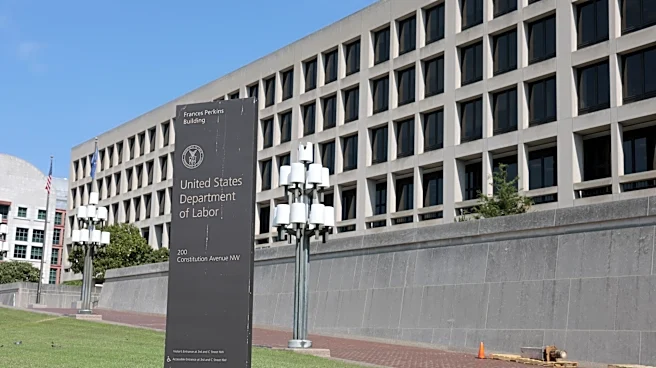
A U.S. District Court for the District of Columbia has upheld a Department of Labor (DOL) rule requiring unions with over $40 million in annual receipts to file a new, detailed disclosure form. The AFL-CIO had sued the DOL in June, arguing that the department
enacted the final rule without seeking public feedback, thereby violating the Administrative Procedure Act (APA). The DOL had initially proposed significant changes to financial reporting obligations for large unions in 2020 but withdrew the proposal after the notice and comment period concluded. Nearly six years later, the agency reversed its decision and finalized the previously withdrawn proposal without initiating a new notice and comment period. The court found that the DOL did not violate the APA, stating that there is no legal precedent suggesting that an agency's decision to withdraw a rule negates the legal effect of a prior notice-and-comment period. Furthermore, the court noted that a delay between the close of the comment period and the rule's promulgation does not undermine the procedure, and the plaintiff failed to demonstrate any 'material intervening events' that would have rendered the initial opportunity to comment inadequate.
Why It's Important?
This ruling is significant for labor unions, particularly those with substantial annual receipts, as it solidifies new, more stringent financial reporting requirements. The increased transparency mandated by this rule could lead to greater scrutiny of union finances by members, the public, and regulatory bodies. For the Department of Labor, the decision affirms its authority to finalize rules based on previous notice-and-comment periods, even after a significant delay or initial withdrawal, as long as no material intervening events have occurred. This could set a precedent for other federal agencies considering similar actions. The AFL-CIO and other large unions may face increased administrative burdens and potential legal challenges if they fail to comply with the new disclosure requirements. The ruling also highlights the ongoing legal battles between labor organizations and government agencies over regulatory oversight and transparency.
What's Next?
With the District Court upholding the rule, large unions, specifically those with over $40 million in annual receipts, must now comply with the new detailed financial disclosure requirements. The AFL-CIO may consider appealing this decision, but for now, the rule stands. The Department of Labor will likely proceed with enforcing these new disclosure standards, potentially issuing further guidance or clarifications for affected unions. Unions will need to adapt their accounting and reporting practices to meet the enhanced transparency demands, which could involve investing in new systems or personnel. This increased financial transparency could also empower union members to hold their leadership more accountable for how funds are managed and spent, potentially influencing internal union politics and governance.
Beyond the Headlines
This case touches upon fundamental principles of administrative law, particularly the scope and limitations of the Administrative Procedure Act (APA) regarding agency rulemaking. The court's interpretation of what constitutes a valid notice-and-comment period, even with significant delays, is crucial. It suggests that agencies have considerable latitude to revisit and finalize previously proposed rules without restarting the entire process, provided the original public input remains relevant. This could have broader implications for regulatory stability and predictability across various sectors. Furthermore, the increased financial transparency for unions aligns with a broader trend towards greater accountability for large organizations, whether in the private or public sector. This push for transparency often stems from concerns about corruption, mismanagement, or the misuse of funds, and its application to labor unions reflects a societal expectation for all powerful institutions to operate openly.