
What's Happening?
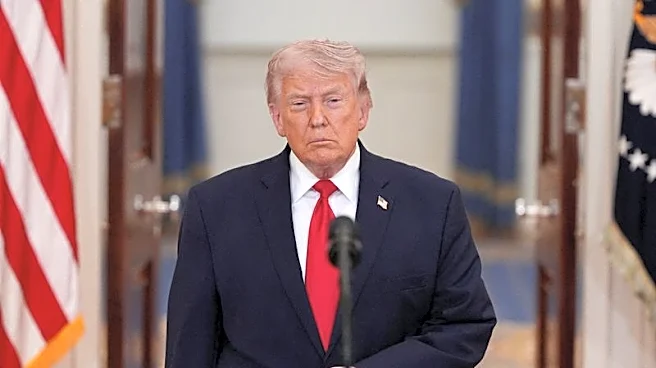
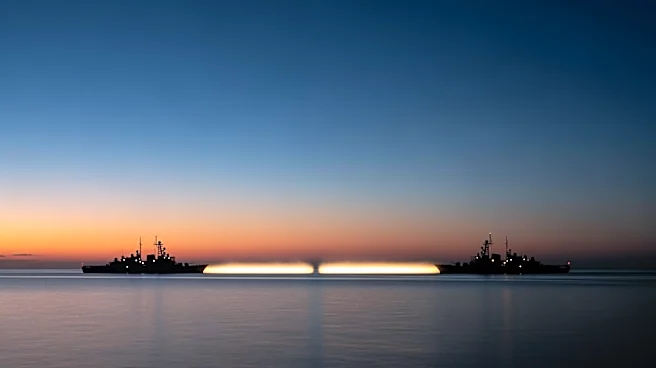
The U.S., under President Trump's directive, has initiated a naval blockade targeting Iranian vessels in the Strait of Hormuz. This move aims to exert economic pressure on Iran amidst ongoing Middle East
tensions. Concurrently, the U.S. has imposed a de facto fuel blockade on Cuba, threatening tariffs on countries supplying crude oil to the island. Russia has defied this blockade by delivering oil to Cuba, highlighting potential challenges to U.S. maritime authority. These actions have drawn criticism from China, a major buyer of Iranian oil, labeling the blockade as 'irresponsible and dangerous.'
Why It's Important?
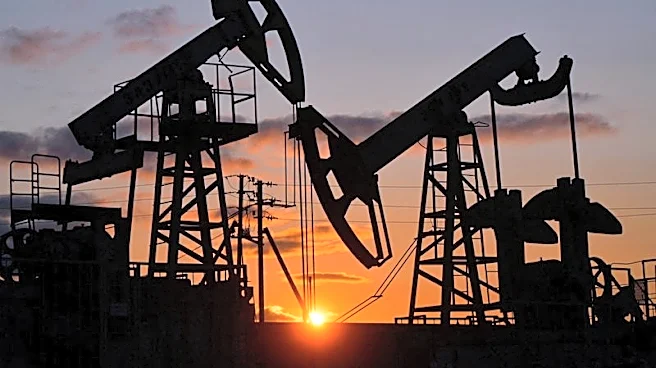
The blockades represent a significant escalation in U.S. foreign policy, potentially impacting global oil markets and international relations. The Strait of Hormuz is a critical chokepoint for global oil shipments, and any disruption could lead to increased oil prices worldwide. The Cuban blockade could strain U.S.-Russia relations further, as Russia continues to supply oil to Cuba. These actions may also affect U.S.-China relations, given China's economic interests in Iranian oil. The blockades could lead to broader geopolitical tensions, affecting global trade and diplomatic relations.
What's Next?
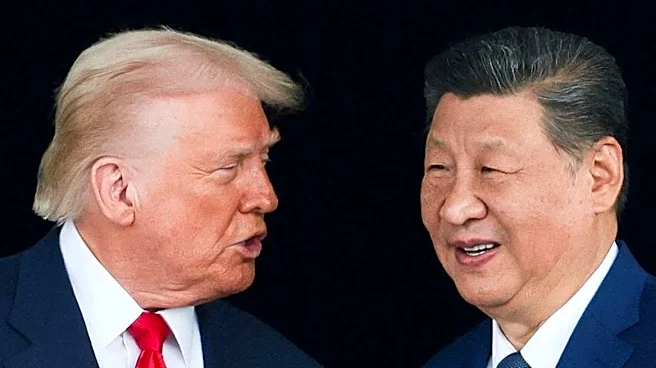
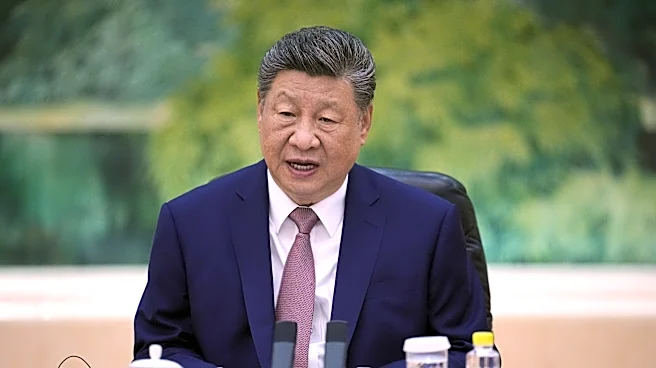
The upcoming summit between President Trump and China's President Xi Jinping may address these tensions, particularly concerning the Strait of Hormuz blockade. The U.S. may face diplomatic pressure to ease or lift the blockades, especially if they lead to significant economic disruptions. Russia's continued defiance of the Cuban blockade could prompt further U.S. sanctions or diplomatic actions. The international community will likely monitor these developments closely, as they could have far-reaching implications for global stability and economic conditions.