



What's Happening?
Food safety has emerged as a significant 'kitchen-table' political issue in the run-up to the midterm elections, following a summer marked by a massive cyclospora outbreak and numerous food recalls. The outbreak, linked to lettuce, sickened nearly 20,000
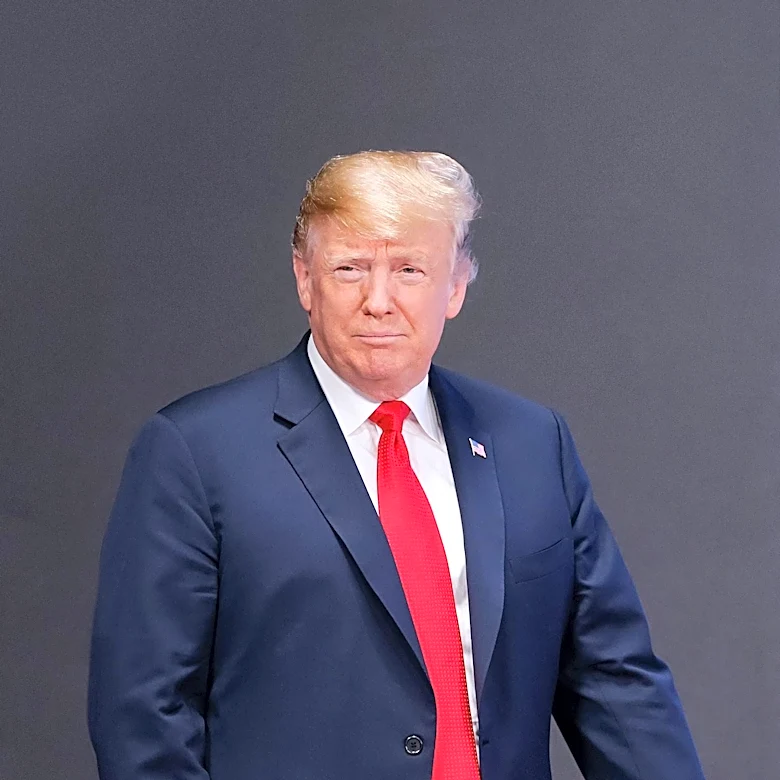
people from May to August 2026, a substantial increase from the previous year. Democrats, including Senator Elizabeth Warren (D-Mass.), Representative Gabe Amo (D-R.I.), and Representative Judy Chu (D-Calif.), are criticizing the Trump administration, alleging that budget cuts to federal food safety agencies and specific policy decisions have compromised the safety of the U.S. food supply. The administration, however, asserts it has mounted a robust response to outbreaks and that recalls are at a decade-low, a claim disputed by some food safety experts who point to misleading data that includes non-food recalls. Concerns are also rising over the administration's initiatives to ease regulations on small livestock operations, import more beef from countries with safety concerns, and delay compliance with food traceability rules.
Why It's Important?
The politicization of food safety directly impacts public trust in government oversight and the food industry. A majority of registered voters express low confidence in government food safety oversight, and consumer confidence in the U.S. food system's safety has declined. This erosion of trust can lead to changes in consumer behavior, such as reduced purchases of fresh produce, affecting agricultural industries. The debate highlights the tension between regulatory oversight and economic deregulation, with critics arguing that reduced funding and relaxed rules could increase the risk of foodborne illnesses. The issue also underscores the broader implications of administrative policies on public health, as food safety is a fundamental concern that affects every household and can become a decisive factor in electoral outcomes.
What's Next?
As the midterm elections approach, food safety is likely to remain a prominent campaign topic, with Democrats continuing to challenge the Trump administration's record and Republicans defending their policies. The administration's initiatives, such as easing livestock regulations and delaying traceability rules, will face ongoing scrutiny from food safety advocates and public health organizations. The accuracy of recall data and the effectiveness of federal agencies like the FDA and CDC in preventing foodborne illnesses will be central to these discussions. Consumers will continue to monitor food safety news and adjust their purchasing habits accordingly, potentially influencing market demands and industry practices. The outcome of the elections could significantly shape future food safety regulations and enforcement priorities.
Beyond the Headlines
The food safety debate extends beyond immediate health concerns to touch upon the philosophical underpinnings of government's role in protecting its citizens versus fostering economic growth through deregulation. The administration's actions, such as withdrawing a proposed rule on salmonella in poultry and delaying food traceability, suggest a prioritization of industry concerns over public health safeguards, according to critics. This raises ethical questions about the balance between corporate interests and consumer protection. Furthermore, the dispute over data interpretation—with the FDA asserting low recall numbers while experts point to misleading metrics—highlights a broader challenge of transparency and trust in official government communications, especially in an era of heightened political polarization and 'fake news' accusations. The long-term impact could be a re-evaluation of federal food safety frameworks and a push for more robust, transparent, and evidence-based regulatory practices.