






What's Happening?
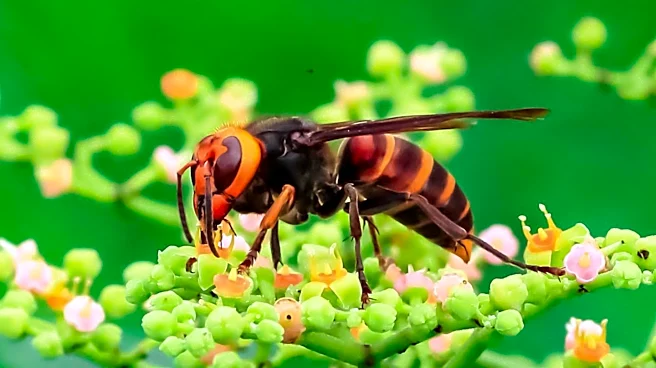
The NYC Parks Department has declined to remove a large hornets' nest, described as the size of two basketballs, from a city tree in Middle Village, Queens. The nest, located 10 feet high at the corner of Cowles Court and Dry Harbor Road, has caused concern
among local residents, including 79-year-old Betty Coccaro, who spotted it. Councilman Phil Wong's office contacted the Parks Department after receiving complaints, but was informed by Camile Easterling, an assistant to the borough commissioner, that the agency would not intervene. The department cited the ecological importance of bald-faced hornets, stating they serve as plant pollinators and help control harmful insect populations. Residents were advised that if relocation is deemed necessary, they would need to hire a qualified insect relocator and obtain a tree work permit from the city, with costs ranging from $200 to $800. The Parks Department also suggested calling 911 in emergencies, noting the NYPD has a beekeeping unit.
Why It's Important?
This situation highlights a conflict between urban residents' safety concerns and municipal environmental policies. The Parks Department's stance, prioritizing the ecological role of hornets, places the burden and cost of removal on individual residents, even for nests in city-owned trees. This policy raises questions about public safety, particularly for individuals with life-threatening allergies to stings, and the accessibility of city services. Councilman Wong criticized the response as 'absurd,' arguing that residents should not bear the financial and bureaucratic responsibility for managing wildlife in public spaces. The incident also underscores a broader debate about how cities balance biodiversity conservation with the practical needs and safety of their human inhabitants, especially in densely populated areas where human-wildlife interactions are frequent.
What's Next?
The immediate next steps are unclear, as the NYC Parks Department has not indicated a change in its policy. Residents in Middle Village may be forced to either pay for the nest's removal themselves, navigate the permit process, or live with the potential risk. Councilman Wong and other local officials may continue to pressure the Parks Department to reconsider its approach, potentially advocating for a more proactive city-funded solution for hazardous wildlife in public areas. This incident could also prompt a review of city policies regarding pest control and wildlife management in urban environments, particularly concerning species that pose a direct threat to public health. Public discourse on the balance between urban ecology and human safety is likely to continue, potentially leading to policy adjustments in the future.
Beyond the Headlines
The refusal to remove the hornets' nest touches upon the complex ethical and practical challenges of urban ecology. While the ecological benefits of insects like hornets are undeniable, their presence in close proximity to human residences, especially in large, aggressive nests, presents a tangible threat. This scenario forces a re-evaluation of what constitutes 'human-wildlife conflict' in an urban setting and who bears the responsibility for its resolution. It also highlights the bureaucratic hurdles citizens face when dealing with city agencies, where environmental mandates can sometimes overshadow immediate public safety concerns. The incident could serve as a catalyst for developing more nuanced urban wildlife management strategies that integrate ecological preservation with community well-being, potentially involving public education, accessible city services for hazard mitigation, and clearer guidelines for residents.