

What's Happening?
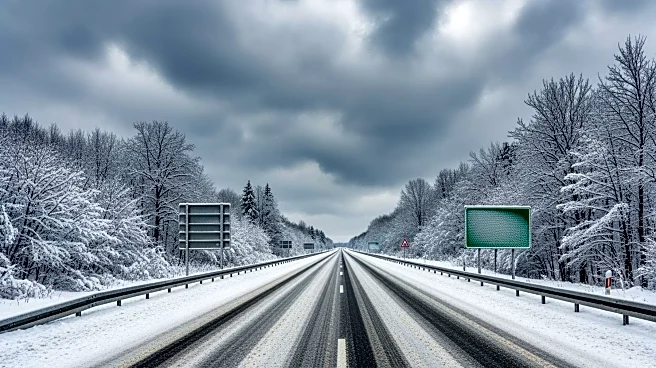
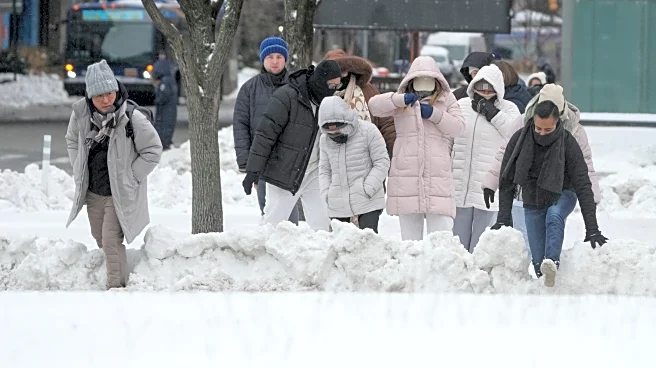
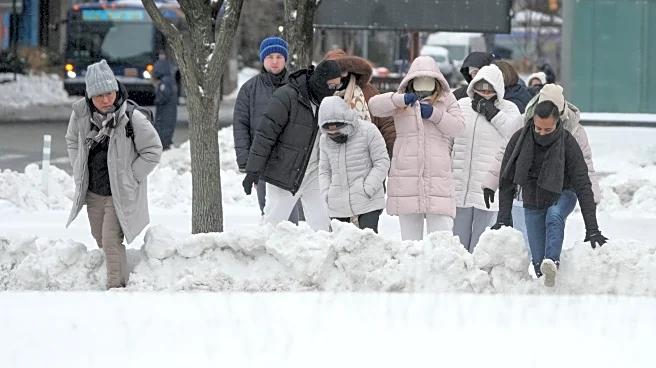
Governors of New York, New Jersey, Connecticut, and Massachusetts have declared states of emergency as a severe blizzard is expected to bring up to 24 inches of snow and strong winds to the region. The storm has already caused significant disruptions,
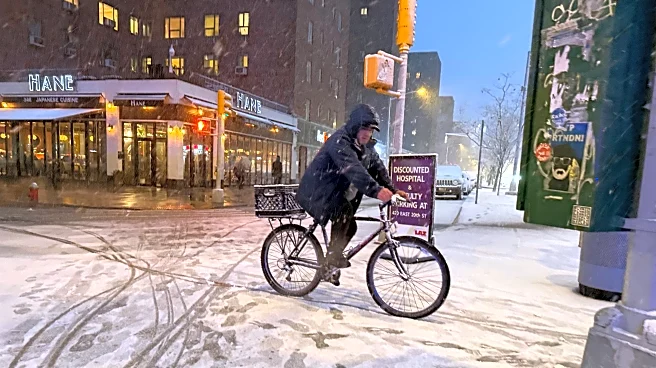
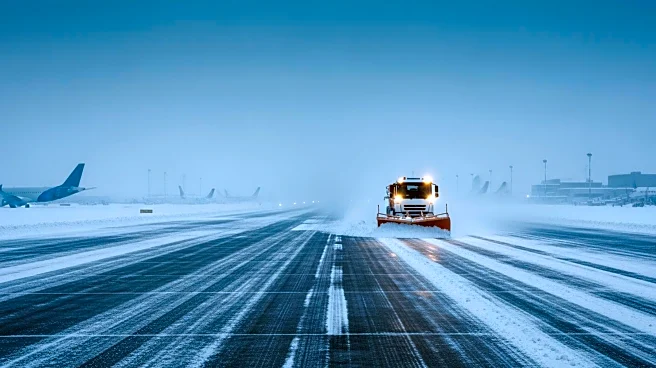
with over 15,000 flights delayed and more than 3,500 canceled, particularly affecting major airports like JFK, La Guardia, and Newark. In response, New York City Mayor Zohran Mamdani has ordered the closure of city streets to non-essential traffic, including bicycles and scooters, and all school buildings. Connecticut has implemented similar restrictions, banning commercial vehicles on highways. Massachusetts has activated up to 200 National Guard members to assist with emergency response efforts.
Why It's Important?
The blizzard poses significant challenges to transportation, infrastructure, and public safety across the Northeast. The emergency declarations and travel restrictions are critical measures to ensure public safety and facilitate efficient snow removal and emergency response operations. The storm's impact on air travel highlights the vulnerability of transportation networks to severe weather events, which can have cascading effects on the economy and daily life. The activation of National Guard members underscores the seriousness of the situation and the need for coordinated efforts to manage the storm's impact.
What's Next?
As the storm progresses, state and local authorities will continue to monitor conditions and adjust emergency measures as needed. The focus will be on maintaining public safety, clearing roads, and restoring normalcy as quickly as possible. Residents are advised to stay informed through official channels and adhere to travel restrictions to ensure their safety. The aftermath of the storm will likely involve significant cleanup efforts and assessments of infrastructure damage, which could influence future emergency preparedness and response strategies.