
What's Happening?
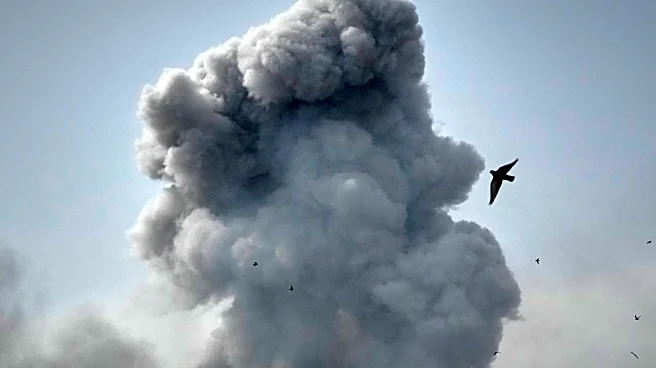
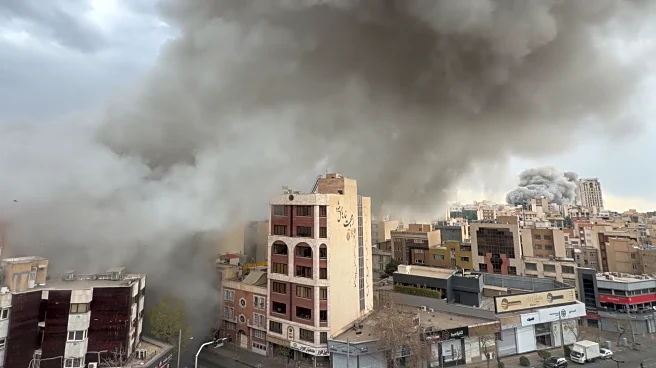
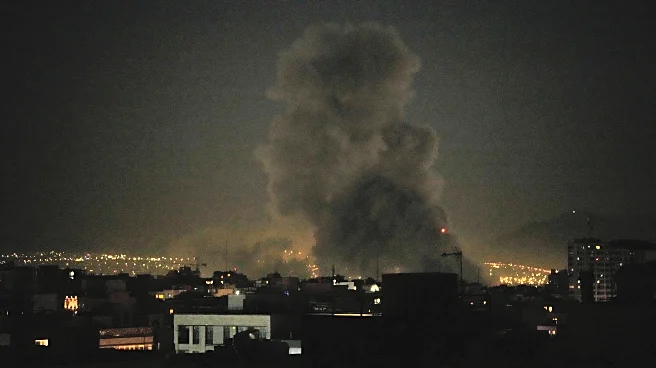
The Atlantic is hosting a virtual event on March 4, 2026, where staff writers Tom Nichols, Toluse Olorunnipa, Missy Ryan, and Vivian Salama will discuss the recent joint attack by the United States and Israel on Iran. The event will cover the death of
Ayatollah Ali Khamenei, the Trump administration's response, and the complex history of regime changes in Iran. Attendees are encouraged to submit questions in advance, which will be addressed live during the session. This discussion aims to provide insights into the geopolitical ramifications of the attack and the potential shifts in international relations.
Why It's Important?
The joint attack on Iran by the United States and Israel marks a significant escalation in Middle Eastern tensions, potentially altering the geopolitical landscape. The death of Ayatollah Ali Khamenei could lead to instability within Iran, affecting regional security and global oil markets. The Trump administration's involvement highlights the U.S.'s continued influence in Middle Eastern affairs, which may impact diplomatic relations with other countries in the region. Understanding the historical context of regime changes in Iran is crucial for predicting future developments and assessing the risks of further conflict.
What's Next?
The virtual event by The Atlantic will explore possible outcomes following the attack, including Iran's response and the international community's reaction. Discussions may focus on the potential for increased military engagements or diplomatic efforts to de-escalate tensions. The event could also address the implications for U.S. foreign policy and its alliances in the Middle East. Stakeholders, including political leaders and international organizations, will likely monitor the situation closely to gauge the impact on regional stability and global security.
Beyond the Headlines
The attack on Iran raises ethical questions about the use of military force and its consequences for civilian populations. It also highlights the challenges of regime change and the potential for unintended consequences, such as increased radicalization or humanitarian crises. The event may delve into the long-term effects on U.S.-Iran relations and the broader implications for international law and human rights. Understanding these dimensions is essential for crafting policies that promote peace and stability.