

What's Happening?
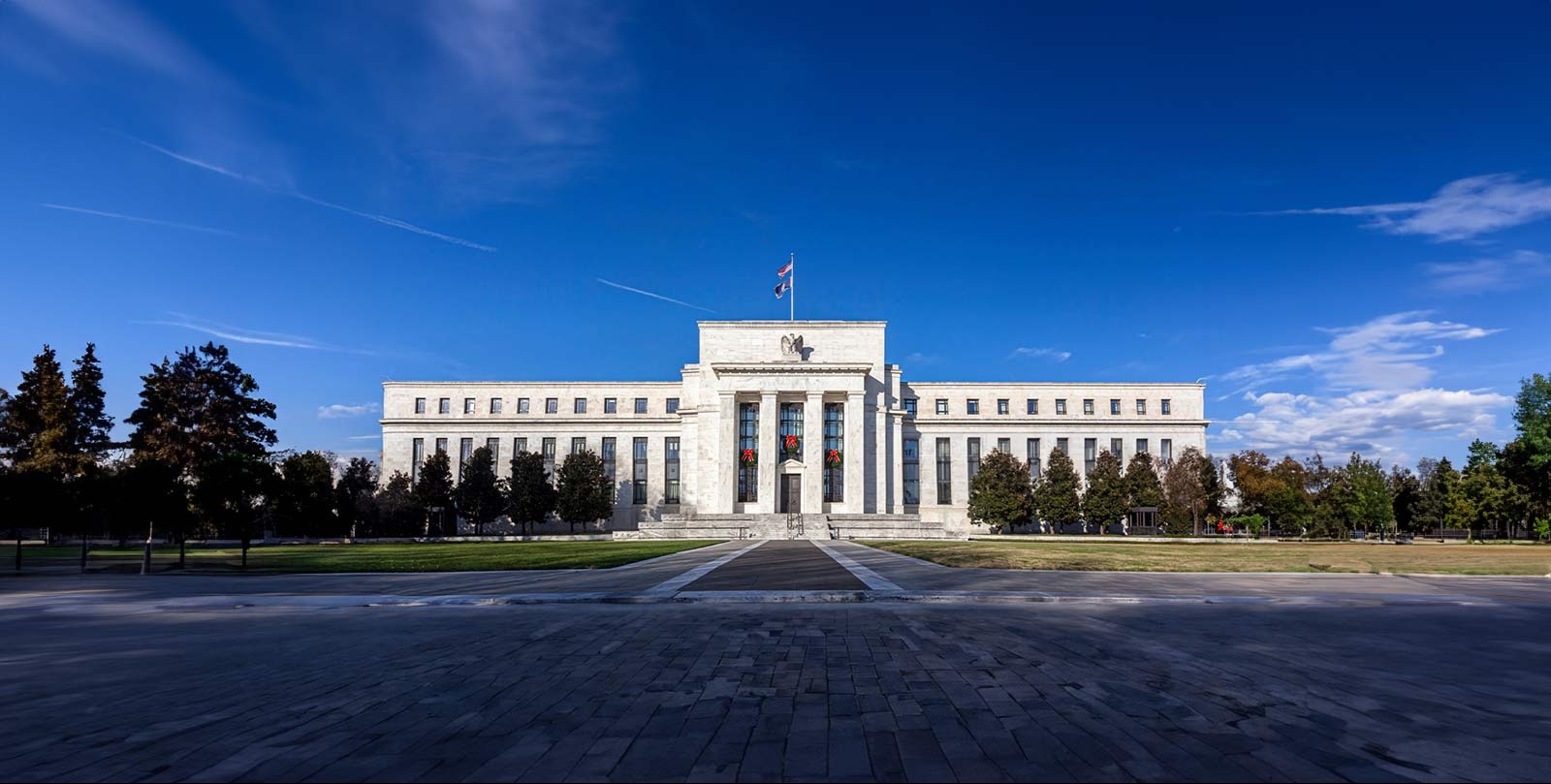
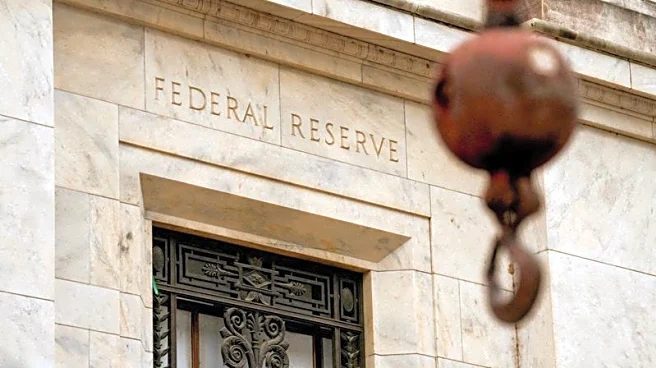
The U.S. Department of Justice has issued subpoenas to the Federal Reserve, seeking information related to the renovation of the central bank's headquarters. This move is part of an ongoing pressure campaign by the administration to influence the Federal Reserve's
interest rate policies. Federal Reserve Chairman Jerome Powell, in a video statement, described the subpoenas as a pretext for criminal indictments linked to his previous testimony before the Senate Banking Committee. Powell emphasized that the real issue is the Federal Reserve's independence in setting interest rates, which he argues should be based on economic assessments rather than presidential preferences. The Federal Reserve has reduced interest rates in its last three meetings, but President Trump has been vocal about his desire for even lower rates.
Why It's Important?
This development underscores the tension between the Federal Reserve's mandate to operate independently and the administration's efforts to exert influence over monetary policy. The subpoenas could have significant implications for the Federal Reserve's autonomy, potentially affecting its ability to make decisions free from political pressure. The situation also highlights the broader debate over the role of the Federal Reserve in managing the economy, particularly in the context of interest rate adjustments. If the administration succeeds in its pressure campaign, it could set a precedent for increased political interference in monetary policy, which may impact economic stability and investor confidence.
What's Next?
The legal and political ramifications of the subpoenas are likely to unfold in the coming months. The Supreme Court is set to hear arguments related to the administration's attempts to remove Federal Reserve board member Lisa Cook, which could further influence the central bank's governance. Additionally, the outcome of these legal proceedings may affect the Federal Reserve's future policy decisions and its relationship with the executive branch. Stakeholders, including financial markets and policymakers, will be closely monitoring these developments for potential impacts on economic policy and governance.