





What's Happening?
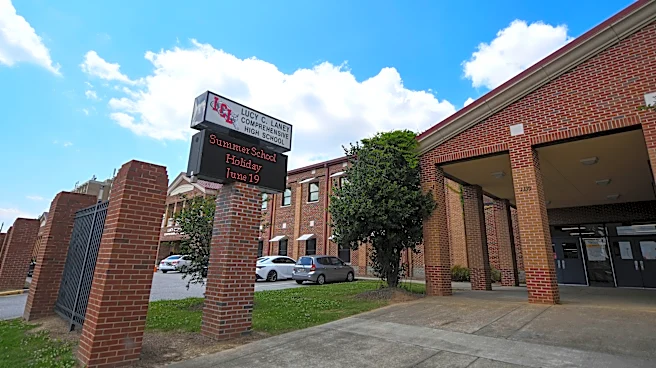
The Little Rock School Board is actively exploring new crowd-control strategies following two separate incidents at Little Rock Central High School where pepper spray was deployed. In the most recent event, eight students were arrested after a fight,
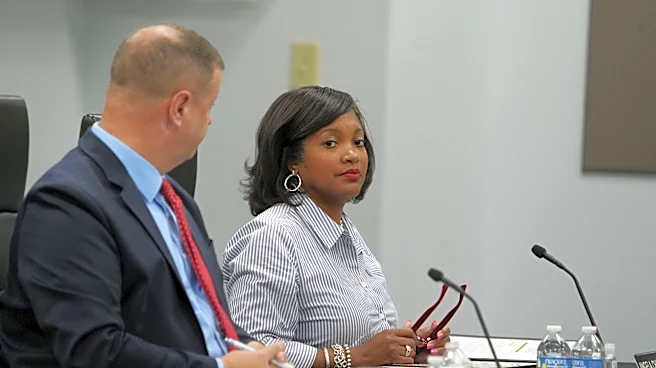
and district officials used pepper spray to disperse a gathering crowd. This marks the second instance of pepper spray use at the school. Little Rock School Board member Greg Adams highlighted the board's concern regarding the efficacy and appropriateness of pepper spray as the primary crowd-control method. During a recent board meeting, discussions focused on whether officers should issue warnings before deploying pepper spray and on identifying alternative methods that could manage crowds effectively while minimizing adverse effects on uninvolved students. The board has committed to a two-month period to evaluate potential alternatives before presenting them for further consideration.
Why It's Important?
This initiative by the Little Rock School Board is significant as it addresses student safety and disciplinary practices within educational institutions. The repeated use of pepper spray in a high school setting raises questions about the proportionality of force and its potential impact on student well-being and the learning environment. The board's decision to seek alternatives reflects a growing awareness of the need for more nuanced and less harmful approaches to managing student altercations and crowd situations. This move could set a precedent for other school districts grappling with similar challenges, encouraging a re-evaluation of existing security protocols. Furthermore, it underscores the importance of community and parental involvement in shaping school policies, as the discussions aim to find solutions that prioritize student safety without resorting to measures that could cause widespread discomfort or harm.
What's Next?
Over the next two months, the Little Rock School Board will dedicate efforts to researching and discussing various crowd-control alternatives. This process will likely involve consulting with law enforcement experts, educational psychologists, and community stakeholders to identify best practices and innovative solutions. The board aims to bring forward a range of options for consideration, which could include enhanced de-escalation training for school resource officers, the implementation of non-lethal deterrents, or revised protocols for managing large student gatherings. The outcome of these discussions will directly influence future security measures at Little Rock Central High School and potentially other schools within the district, shaping how student conflicts are addressed and how school environments are maintained as safe spaces for learning.
Beyond the Headlines
The debate over using pepper spray in schools extends beyond immediate crowd control, touching upon broader ethical and legal considerations regarding student rights and the role of law enforcement in educational settings. The repeated deployment of such measures can contribute to a more punitive school environment, potentially alienating students and fostering distrust between the student body and authorities. Exploring alternatives is not just about finding different tools but about fostering a culture of prevention, mediation, and restorative justice. This shift could lead to a more supportive and inclusive school climate, where conflicts are resolved through dialogue and understanding rather than force. The long-term implications include a potential reduction in student arrests and disciplinary actions, promoting a more positive educational experience and better preparing students for responsible citizenship.