





What's Happening?
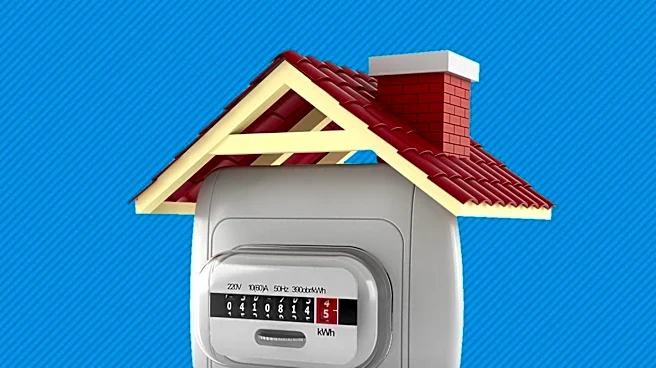
Michigan residents are experiencing higher electric bills during the summer months, primarily due to increased energy consumption rather than significant rate increases. According to the Michigan Public Service Commission (MPSC) and 2024 U.S. Energy Information
Administration data, Michigan's average monthly home electric bill ranks 15th-lowest nationally, $23 below the national average. Since 2021, electric bill increases in Michigan have totaled 7.8%, significantly lower than the national average of 25.5%. The MPSC emphasizes that utility rates are set through a formal, public regulatory process with consumer advocacy input and MPSC approval, meaning utilities cannot unilaterally change rates. The U.S. Energy Information Administration notes that changes in usage often have a greater impact on monthly bills than changes in rates. The warm and humid Michigan summers lead to central air conditioning running longer cycles, especially when temperatures reach the 80s and 90s with high dew points, increasing electricity usage to remove moisture from the air. Additional factors contributing to higher summer consumption include children being home all day, increased use of appliances like garage refrigerators and dishwashers, and the fact that cooling systems run entirely on electricity, unlike heating which often uses natural gas.
Why It's Important?
This information is important for Michigan households as it clarifies the primary driver behind their higher summer electric bills, shifting the focus from rate hikes to personal consumption habits. Understanding that usage is the main factor empowers consumers to take actionable steps to manage their energy costs. The context provided by the Michigan Public Service Commission, indicating that Michigan's average monthly electric bill is lower than the national average and that rate increases have been modest compared to other states, helps to alleviate concerns about unchecked utility price hikes. This distinction is crucial for public perception and trust in regulatory processes. For the energy sector, it highlights the impact of seasonal weather patterns on demand and the importance of consumer education regarding energy efficiency. It also underscores the effectiveness of existing regulatory frameworks in controlling rate adjustments, ensuring a transparent process that involves consumer input. Ultimately, this understanding can lead to more informed energy consumption decisions, potentially reducing financial strain on families and contributing to overall energy conservation efforts in the state.
What's Next?
Michigan residents can expect continued efforts from organizations like Powering Michigan Forward to educate them on managing energy costs. The focus will likely remain on promoting practical adjustments to reduce electricity consumption, especially during peak summer hours. This includes shifting high-energy tasks such as laundry, dishwasher cycles, and EV charging to evenings or early mornings when rates are typically lower due to time-differentiated pricing. Consumers will also be encouraged to raise thermostat settings a few degrees during peak afternoon hours (typically 2 to 7 p.m. on weekdays) and utilize ceiling fans to maintain comfort without increasing AC run time. The adoption of smart or programmable thermostats, which automate scheduling, will also be a key recommendation. Utilities are expected to continue offering time-of-use rate programs, incentivizing customers to shift energy usage to off-peak hours. These initiatives aim to help households work within the existing rate structure to lower their monthly bills, rather than advocating for rate changes, which are subject to a lengthy regulatory process.
Beyond the Headlines
The emphasis on consumer behavior as the primary driver of higher electric bills in Michigan highlights a broader societal challenge: the increasing demand for comfort and convenience, particularly during extreme weather conditions. This situation underscores the need for greater energy literacy among the public, moving beyond the assumption that higher bills are solely due to rate increases. It also brings to light the environmental implications of increased energy consumption for cooling, contributing to higher carbon emissions and strain on the electrical grid. The reliance on electricity for cooling, as opposed to natural gas for heating, points to a vulnerability in energy infrastructure during summer peaks. Furthermore, the discussion about time-differentiated pricing and smart thermostats suggests a future where energy consumption is more dynamically managed, potentially leading to a more resilient and efficient energy system. This shift could also foster innovation in home energy management technologies and encourage behavioral changes that have long-term benefits for both individual finances and environmental sustainability.