








What's Happening?
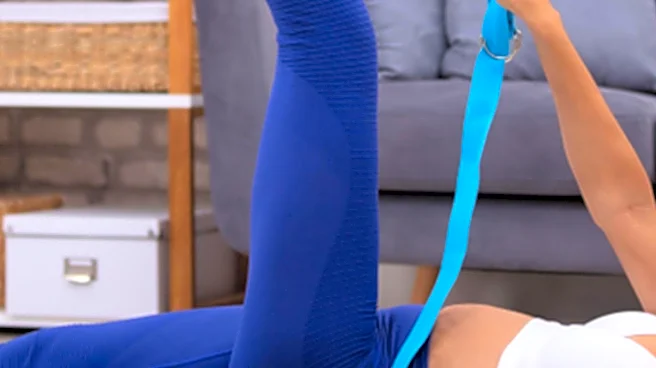
Gentle sciatica stretches are being recommended as a primary at-home method for alleviating pain that radiates from the lower back or buttock down the leg. These stretches, which include knee-to-chest, figure-4 piriformis stretch, lower trunk rotations,
sciatic nerve glides, hamstring stretches, cat-cow, and child’s pose, aim to loosen muscles around the sciatic nerve and facilitate its gentle movement. According to experts, staying active is crucial, with guidelines recommending education, usual activity, and exercise as initial steps for back pain, with or without nerve pain. While research on specific exercises is encouraging, evidence for non-surgical treatments is considered very uncertain. It is advised to stop any stretch that worsens leg pain and to seek emergency care for severe symptoms like bladder or bowel changes, numbness, or new leg weakness.
Why It's Important?
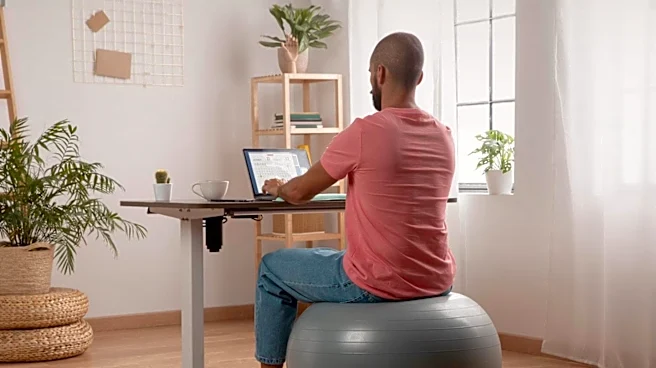
Sciatica affects a significant portion of the U.S. population, causing considerable discomfort and impacting daily activities. The emphasis on gentle, at-home stretches provides an accessible and low-risk first-line treatment option, potentially reducing the need for more aggressive interventions. By empowering individuals to manage their pain proactively, this approach can decrease healthcare costs and improve overall quality of life. The distinction between acceptable mild discomfort and warning signs like sharp or shooting pain is critical for patient safety, preventing further nerve irritation or injury. Promoting activity over bed rest also challenges traditional notions of pain management, aligning with modern understanding of the benefits of movement for spinal health. This guidance is particularly relevant given the prevalence of sedentary lifestyles and the associated increase in back and nerve-related issues.
What's Next?
Individuals experiencing sciatica that persists for more than a week or two, recurs, or significantly limits daily functions are advised to consult a doctor. Emergency care is necessary for severe symptoms such as new trouble controlling bladder or bowels, or severe pain, numbness, or weakness in the leg, as these could indicate serious conditions like cauda equina syndrome. The recommendation for a physical therapist to tailor routines based on the specific cause of sciatica (e.g., herniated disc vs. spinal stenosis) suggests a continued need for personalized medical guidance. Ongoing research into the effectiveness of various non-surgical treatments for sciatica will likely refine best practices and provide clearer evidence for specific exercise regimens. The integration of strengthening exercises for the core, hips, and buttocks also points to a holistic approach to long-term pain prevention.
Beyond the Headlines
The discussion around sciatica stretches highlights the complex interplay between patient self-management and professional medical intervention. While at-home exercises offer significant benefits, the clear warnings about when to seek medical attention underscore the limitations of self-care and the importance of timely diagnosis for potentially serious conditions. This balance reflects a broader trend in healthcare towards shared decision-making, where patients are informed and empowered, but also guided by expert advice. The focus on gentle nerve glides rather than aggressive stretching for neuropathic pain also illustrates a nuanced understanding of nerve physiology, moving beyond a one-size-fits-all approach to stretching. This nuanced perspective is crucial for developing effective and safe treatment strategies for chronic pain conditions, fostering better patient outcomes and reducing the risk of iatrogenic harm.