







What's Happening?
A significant section of the roof at a BJ’s Wholesale Club in Ocean Township, New Jersey, collapsed on July 6, 2026, due to the accumulation of rainwater. This incident prompted an emergency evacuation of the premises. The collapse occurred as torrential
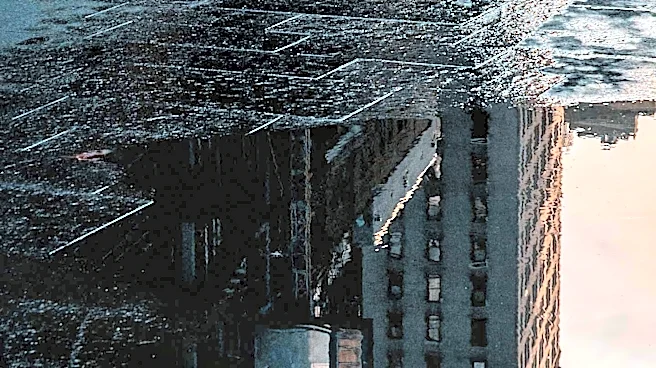
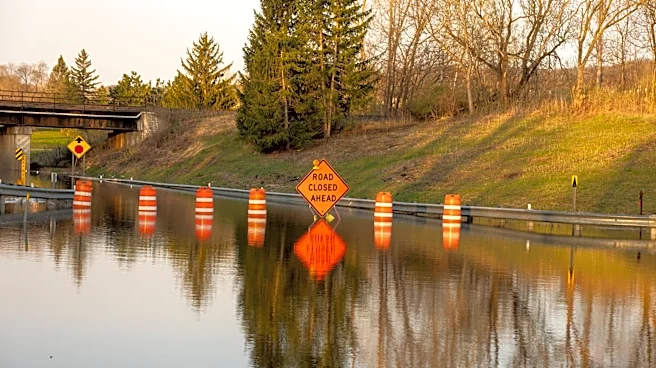
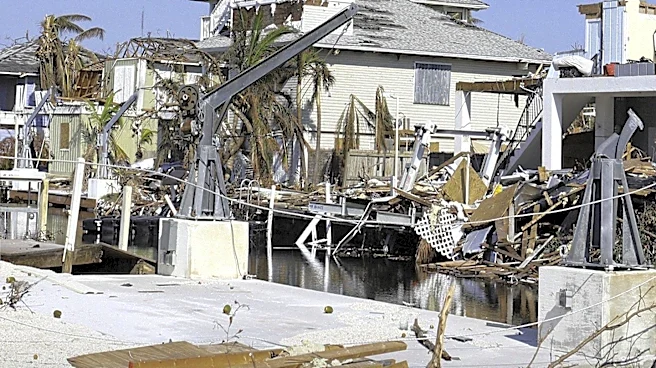
rain and flash flooding affected parts of the Northeast, including New York and New Jersey. The severe weather conditions left roads submerged, stranded motorists, and caused structural damage across the region. The heavy rainfall and subsequent flooding were part of a series of powerful storms that swept through the area, highlighting the vulnerability of infrastructure to extreme weather events.
Why It's Important?
The roof collapse at the New Jersey supermarket underscores the increasing challenges posed by extreme weather events, which are becoming more frequent and severe. This incident highlights the need for improved infrastructure resilience to withstand such conditions. The flooding and structural damage in the Northeast could have significant economic implications, affecting local businesses and communities. It also raises concerns about public safety and the preparedness of emergency services to respond to such events. As climate change continues to influence weather patterns, the importance of investing in infrastructure that can endure these changes becomes more critical.
What's Next?
In the aftermath of the roof collapse, there will likely be investigations into the structural integrity of the building and whether it met safety standards. Local authorities may also review emergency response protocols to ensure better preparedness for future incidents. Additionally, there could be discussions on implementing stricter building codes and regulations to enhance the resilience of structures against extreme weather. The incident may prompt businesses and policymakers to prioritize climate adaptation strategies to mitigate the impact of similar events in the future.