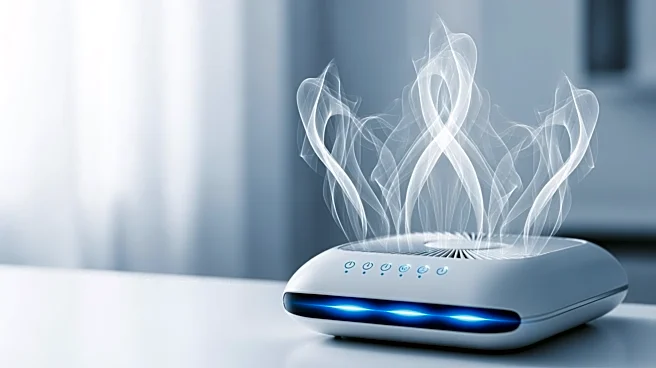








What's Happening?
A recent study published in Scientific Reports reveals that using HEPA air purifiers can modestly improve cognitive performance in adults over 40. Conducted in a high-traffic urban area, the study found that participants using HEPA purifiers for one month
showed a 12% improvement in mental flexibility and executive function compared to those using a sham purifier. The research highlights the potential cognitive benefits of reducing exposure to air pollution, which is linked to various health issues, including neurological diseases. The study involved 119 participants aged 30 to 74, living in Somerville, Massachusetts, an area with high levels of traffic-related air pollution.
Why It's Important?
The findings underscore the impact of air quality on cognitive health, particularly for adults over 40. As air pollution is a growing concern in urban areas, the study suggests that HEPA purifiers could be a practical intervention to mitigate cognitive decline associated with pollution exposure. This has significant implications for public health, as cognitive decline can lead to increased healthcare costs and reduced quality of life. The research also highlights environmental justice issues, as low-income communities and people of color are more likely to live near high-pollution areas, potentially benefiting the most from such interventions.
What's Next?
Further research is needed to explore the long-term effects of HEPA purifiers on cognitive health and whether extended use can sustain or enhance the observed benefits. Future studies might also investigate the specific mechanisms by which air purifiers improve cognition, such as their impact on brain white matter. Policymakers and public health officials may consider promoting the use of air purifiers in high-pollution areas as part of broader strategies to improve air quality and public health outcomes.
Beyond the Headlines
The study raises questions about the broader implications of air pollution on public health and the environment. It suggests a need for more comprehensive policies to address pollution sources, particularly in urban areas. Additionally, the research highlights the potential for technological solutions, like air purifiers, to play a role in mitigating environmental health risks. This could lead to increased demand for such devices and influence market trends in the home appliance industry.